A Room Full of New Conversations
It started with a familiar problem in our Surrey neighbourhood: many Chinese-speaking newcomers could manage everyday English, but still felt lost in Canadian social situations — when to make small talk, how to say no politely, or how to make a friend or join a group conversation. So I adapted a longer socio-cultural competency program into a condensed, interactive 2.5-hour workshop at Peace Portal Church, built around a simple idea from cross-cultural theory: culture is like an iceberg.
The visible tip — language, food, greetings — is the easy part. The much larger part sits below the surface: values, beliefs, and unspoken rules about what counts as polite, direct, or friendly. Most misunderstandings happen down there, where you can’t see them.
That was the starting point of the workshop, and everything else grew from it: the Cross-Cultural Communication Map, which helps participants chart those hidden differences before they act, and the ABCDE approach, a step-by-step way to pause, interpret, and respond rather than react on instinct.
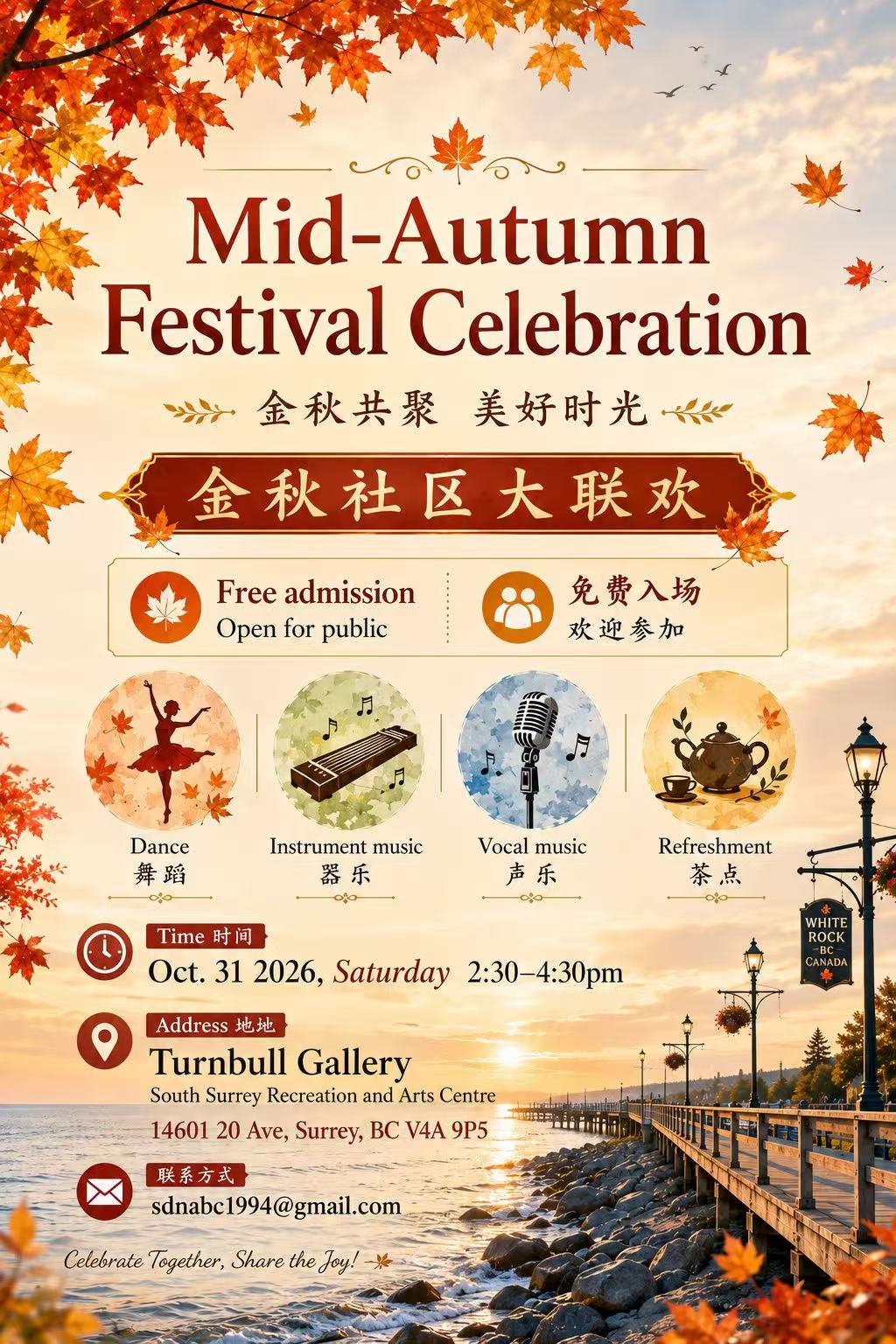
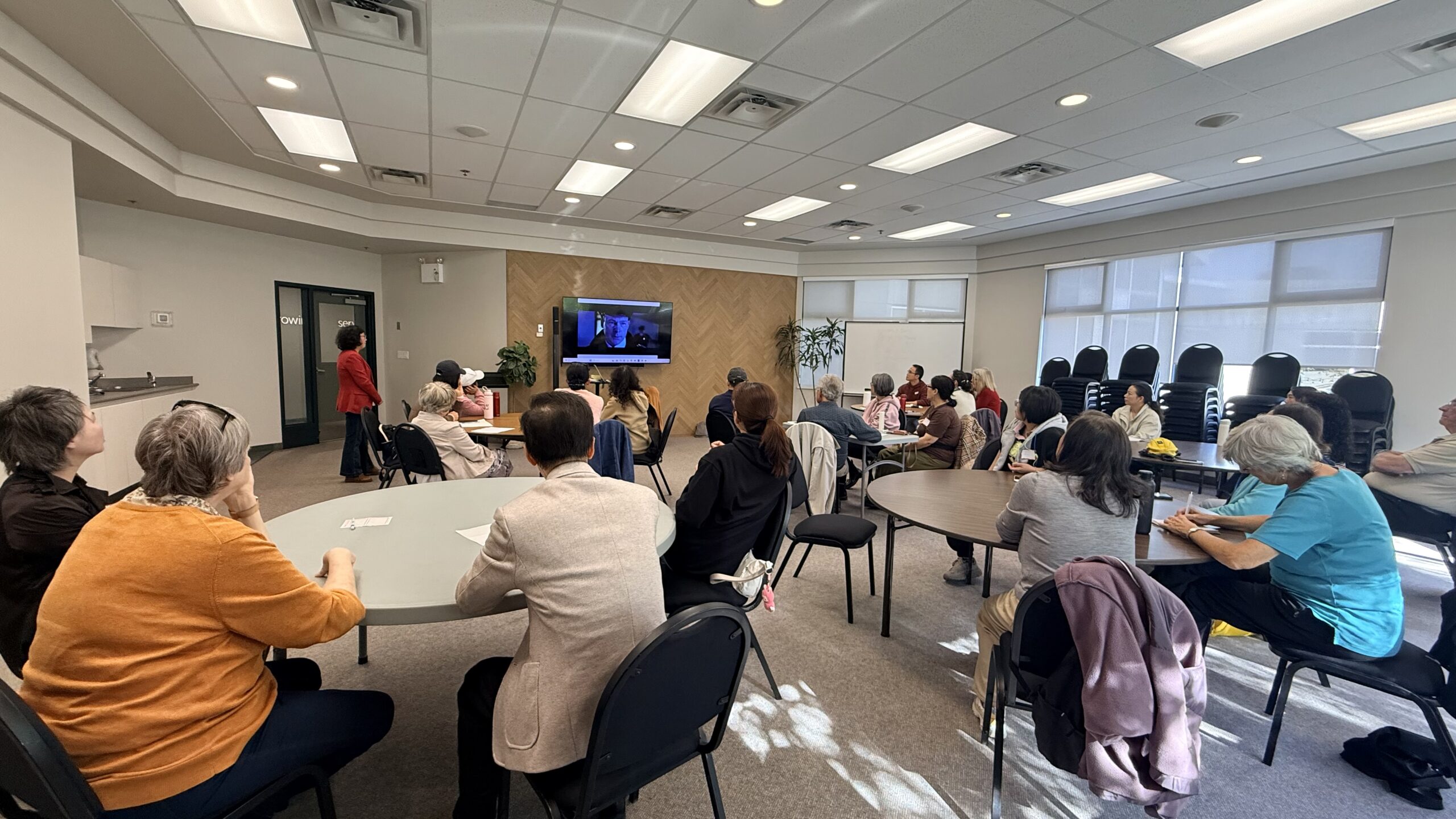
Six local volunteer cultural coaches joined me, and we held two training sessions beforehand so they could guide small groups with confidence. We recruited through the church’s ESL classes, community volunteers sharing the news in a WeChat group, and a bilingual poster. We had planned for 15 participants and five coaches; in the end, 20 people came, with all six coaches.
Two challenges shaped the day. A few people who registered withdrew because they worried their English was not good enough — a reminder that next time, we must state clearly that imperfect English is welcome. And fitting a rich program into 2.5 hours meant keeping every minute practical: short video clips, nine everyday case scenarios, group discussion, and repeated role-play with coaches.
The room responded with energy. Participants were surprised to learn that small talk is essentially a greeting, not an invitation to share your life story — and that asking someone how much their house cost is not a good opener. These are exactly the below-the-surface rules the iceberg theory predicts will trip people up, and seeing participants recognize them in real time was the most rewarding part of the day.
The case scenarios sparked lively debate, and by the end, people were exchanging contact information. One woman, who had planned to leave early to pick up her children, decided to stay because she did not want to miss anything.
What I learned is that the real learning happened in practice: small groups, local coaches, and real-life scenarios gave people the confidence to try, stumble, and try again — turning theory into skill. Participants asked for more practice time and more sessions, and one coach told me the workshop had raised her own awareness of steps in everyday conversation she had always taken for granted.
In 2.5 hours, strangers became neighbours — and we hope to open that door again next year for many more.