Project Overview
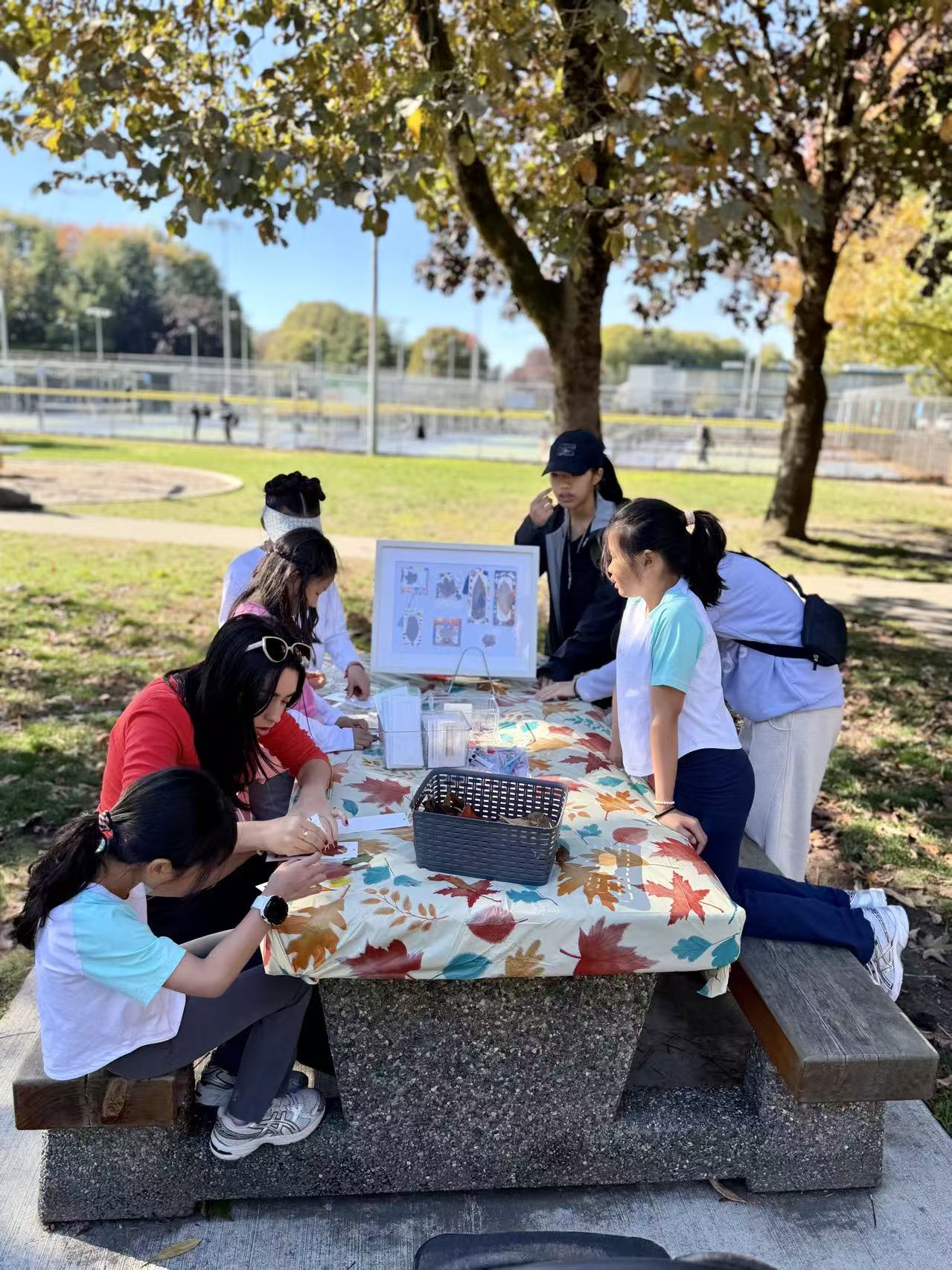
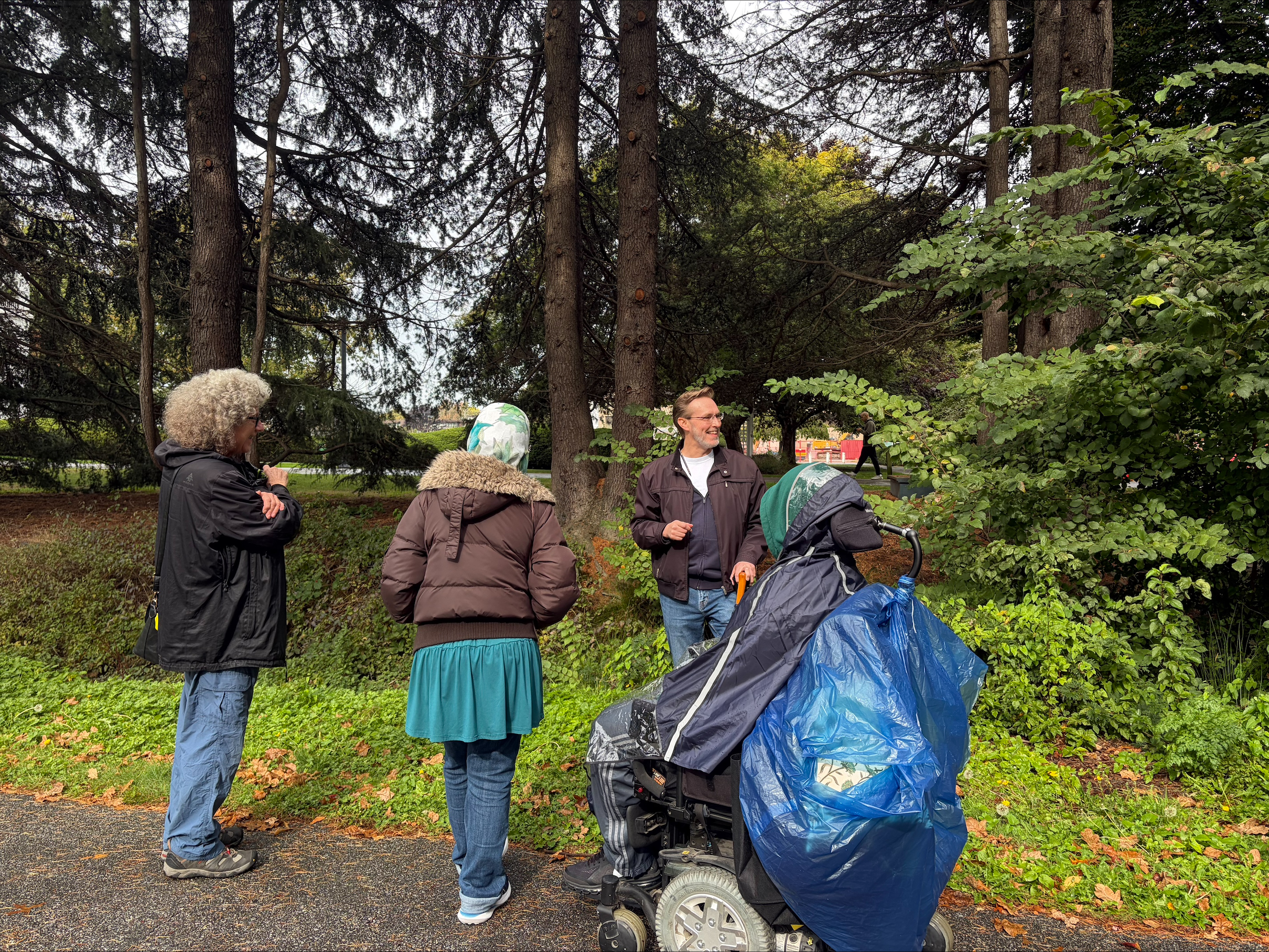
The project brought community members together for an Interpretive Walk and Nature Journaling session through central Richmond, focusing on Minoru Lakes and surrounding civic facilities. Centred on local ecology, natural elements, and creative nature journaling, the initiative addressed social isolation by fostering a deeper understanding of urban ecosystems and building connections through shared artwork.
Through artistic expression and guided observation, participants gained confidence in exploring and utilizing civic properties, including neighbourhood parks and community centers. Organized in collaboration with Social Prescribing programs dedicated to reducing social isolation, the project successfully identified and engaged individuals in need of increased community connection.
Project Outcomes & Achievements
The event was a complete success, aided by fortunate weather and strong community engagement. Key achievements included:
- Fostering Connection: Provided a warm, welcoming space for participants from diverse backgrounds to meet and form connections that likely would not have occurred otherwise.
- Knowledge & Engagement: Shared enthusiasm for local history, urban ecology, creative expression, and public property access.
- Utilizing Civic Spaces: Used a bright, welcoming civic venue that facilitated comfortable post-walk discussions, story sharing, and a shared meal.
- Ongoing Practice: Equipped participants with new sketchbooks and introduced them to accessible community spaces, encouraging ongoing outdoor exploration and journaling.
Unexpected Insights & Adaptations
- Weather Rescheduling & Seasonal Timing: The original event date was postponed due to inclement weather and participant health considerations. When held the following week, participants arrived prepared for poor weather but were greeted by an ideal window of clear skies. The shift in timing provided an exceptional opportunity to observe mid-autumn seasonal transitions around Minoru Lakes.
- Micro-Ecology Discoveries: Guided discussions featured a brief familiarization with local park flora, botanicals, and often-overlooked species underfoot, sparking curiosity among participants.
Key Learnings & Facilitator Reflections
- Balancing Activities & Accessibility: Balancing outdoor exploration with comfortable indoor reflection proved essential for accommodating varying mobility levels and health needs.
- Pacing & Communication Dynamics: Engaging adults experiencing social isolation required a different approach to pacing, tone, and communication compared to younger demographics. Extra time and gentle facilitation were crucial to help participants feel comfortable, open up, and actively share.
- Shared Experience: Navigating personal health and isolation challenges provided a valuable perspective, reinforcing the importance of creating supportive, low-pressure environments for community healing.
Memorable Moments
Bridging Knowledge: Watching participants connect their own background knowledge with new botanical and ecological information introduced during the walk.
Opening Up: Observing individuals who were initially reserved gradually gain comfort, share personal stories, and build trust over the course of the session.
Community Building: Experiencing the shift from a group of strangers to a supportive community circle during the post-walk meal at Minoru.