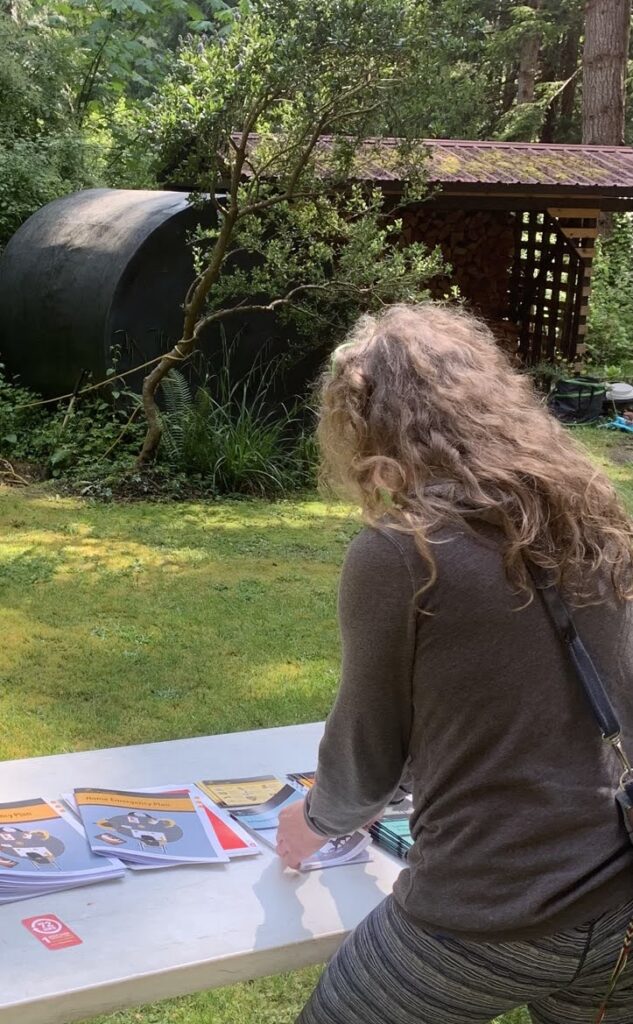
We live in a vulnerable rural area dependent on ferries for food. Wanted to meet neighbours and form disaster preparedness groups to support each other in the event of a disaster.
This last winter we had several climate events -atmospheric rivers and a bomb cyclone which downed trees and beaches on the trail behind our neighbourhood properties.
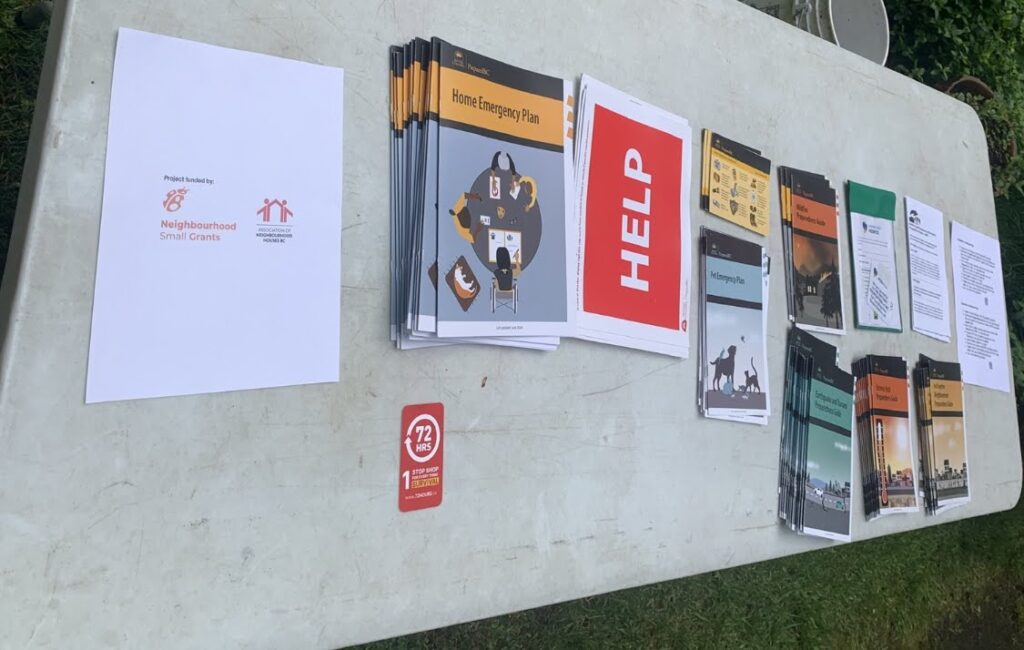
We wanted to raise attention of the issue by hosting a work party to clean up and remove the debris and make the trail safer and also use the event as a means to educate about emergency and neighbourhood preparedness as well as educate about Firesmart.
Our plan was to canvas neighbours to invite them to a work party that would be in everyone’s best safety interest.
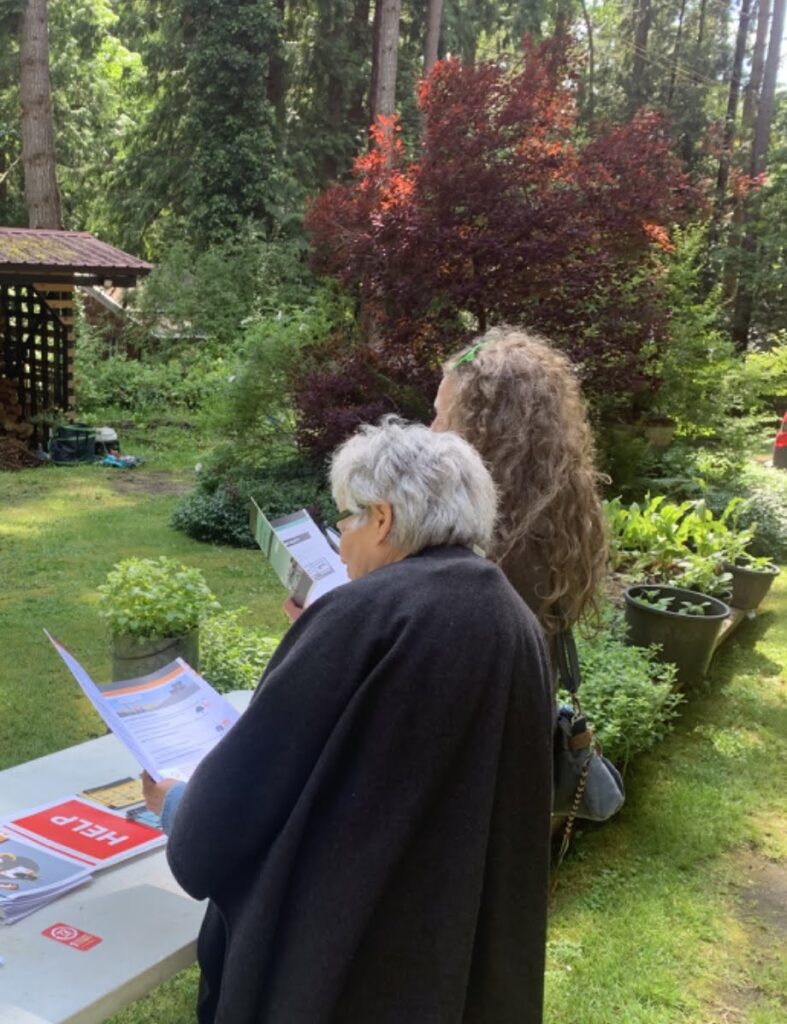
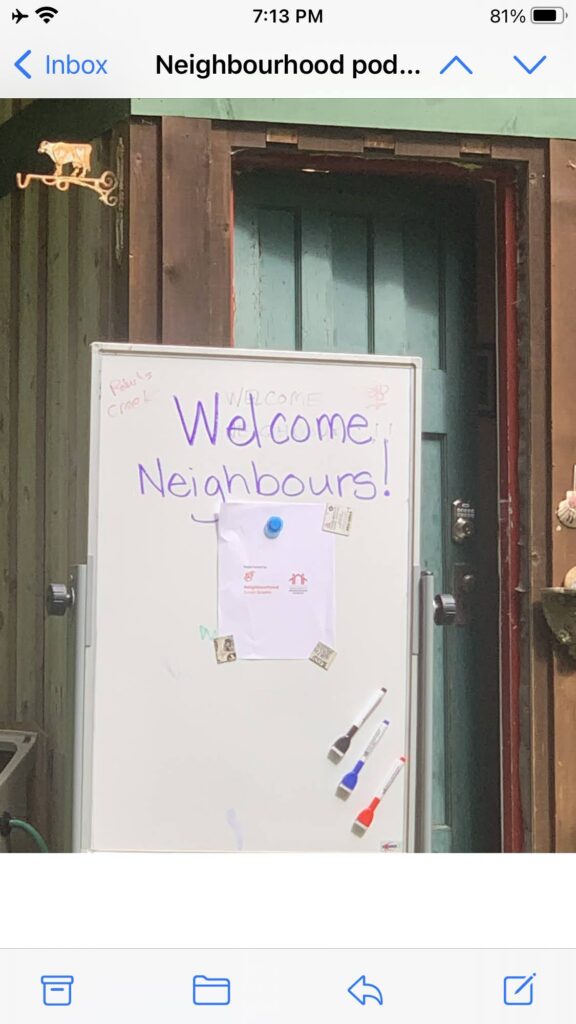
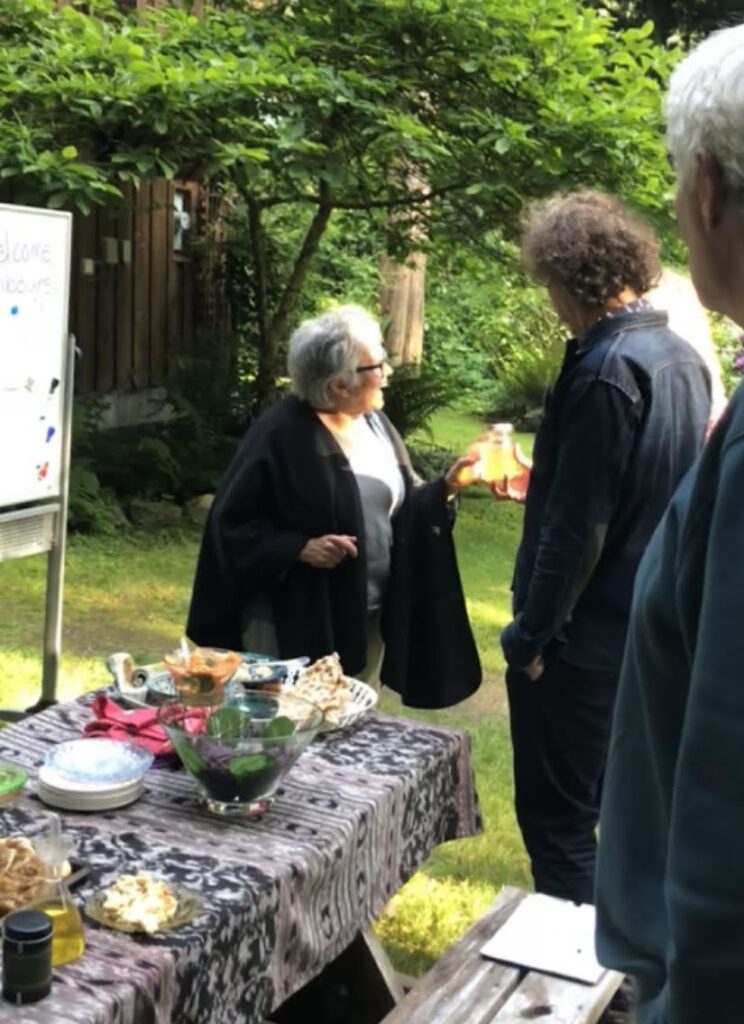
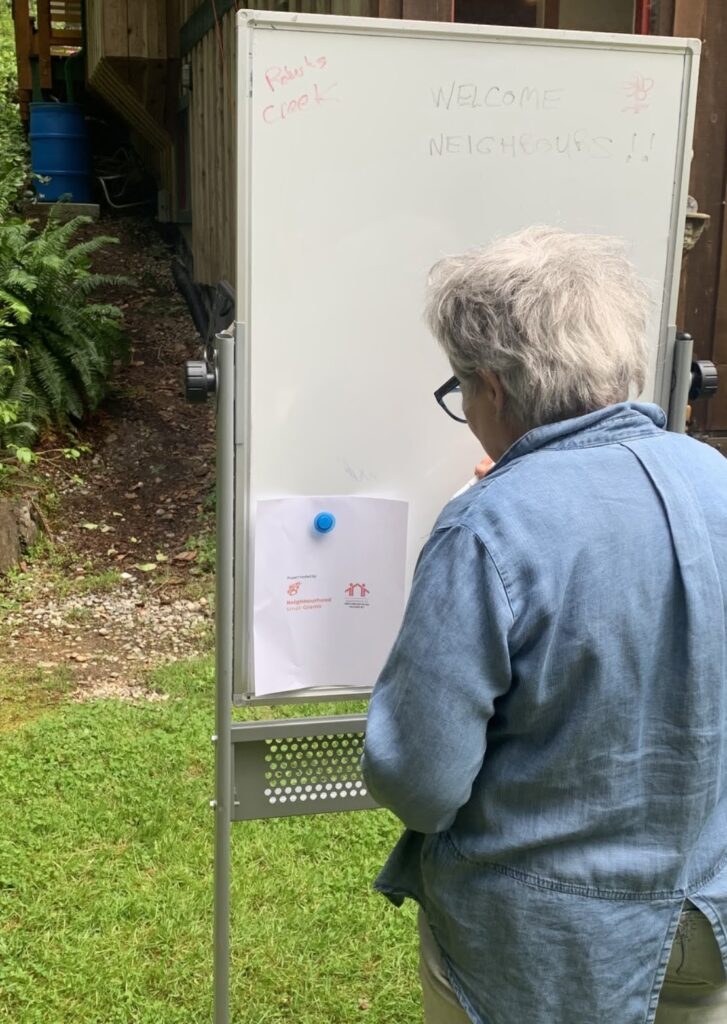
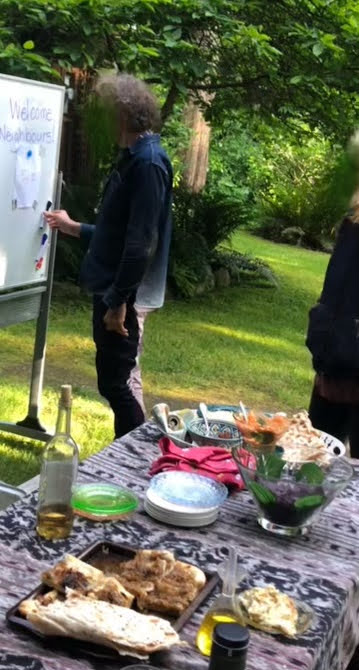
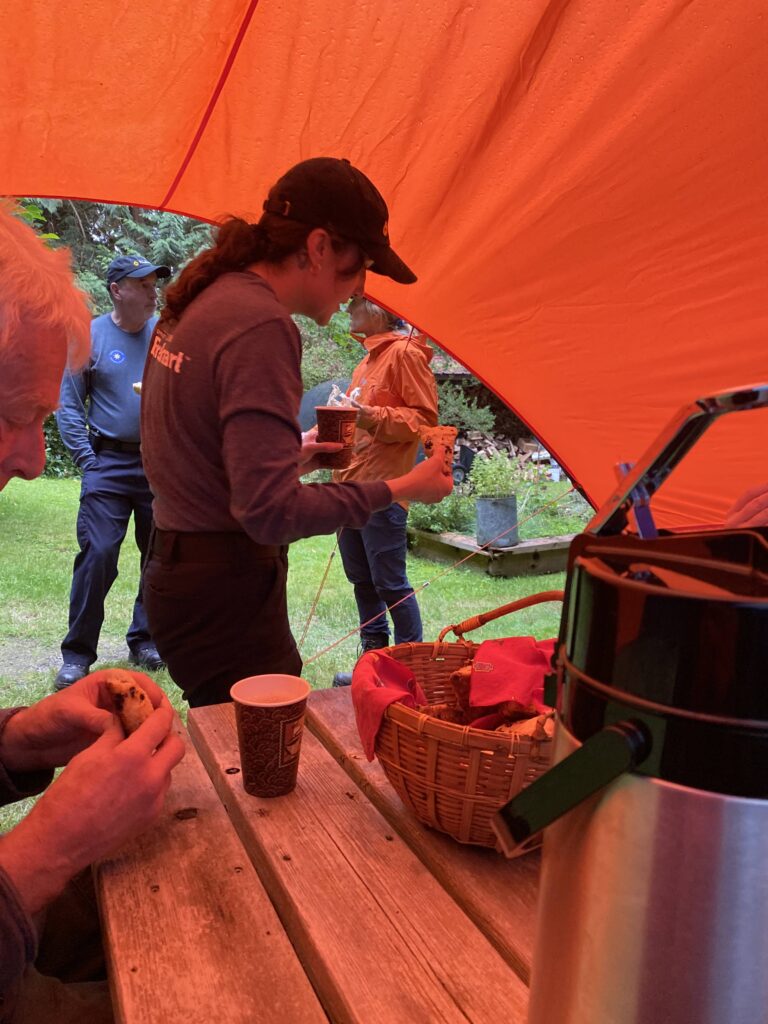
We quickly learned that canvassing in a rural neighbourhood with large private treed lots takes a lot of time and not many people answer doors. We decided to pivot and promote and host a party party to meet neighbours with snacks and refreshments, share information and plan for the work party. We put up posters around mailboxes and high visibility areas and did attract neighbours. In our discussions, we soon learned that the chipper we had planned to rent for debris removal would not be adequate for the project and the one needed would take more than our whole budget.
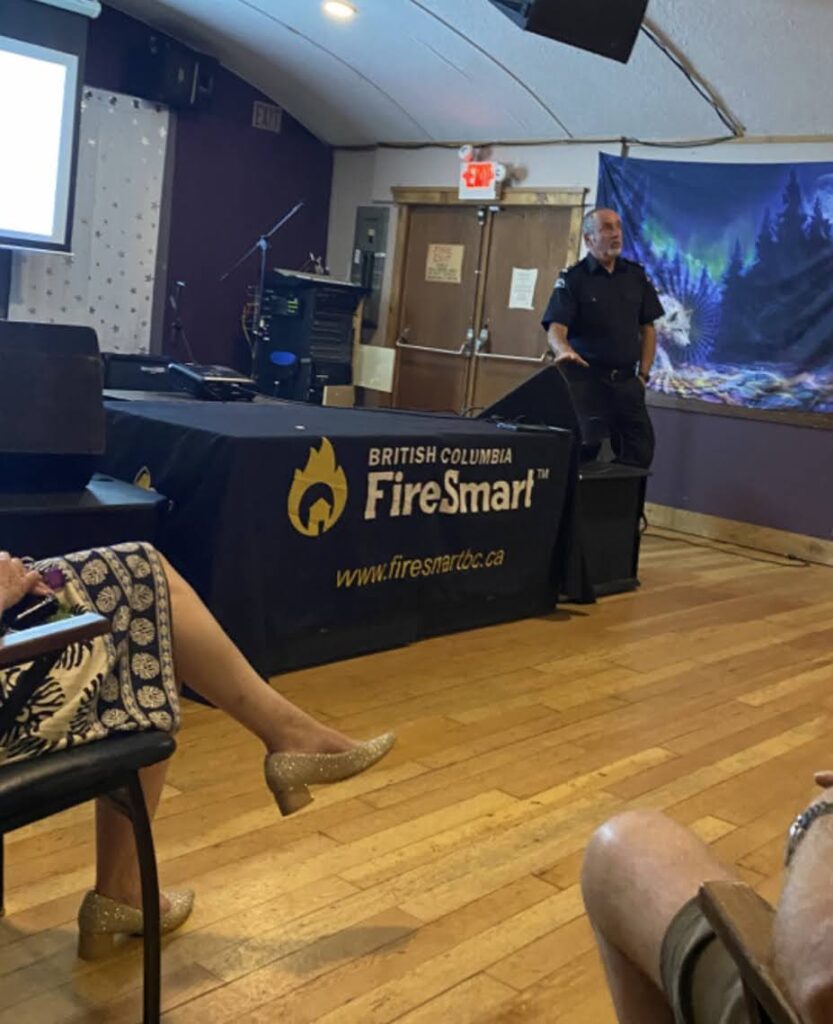
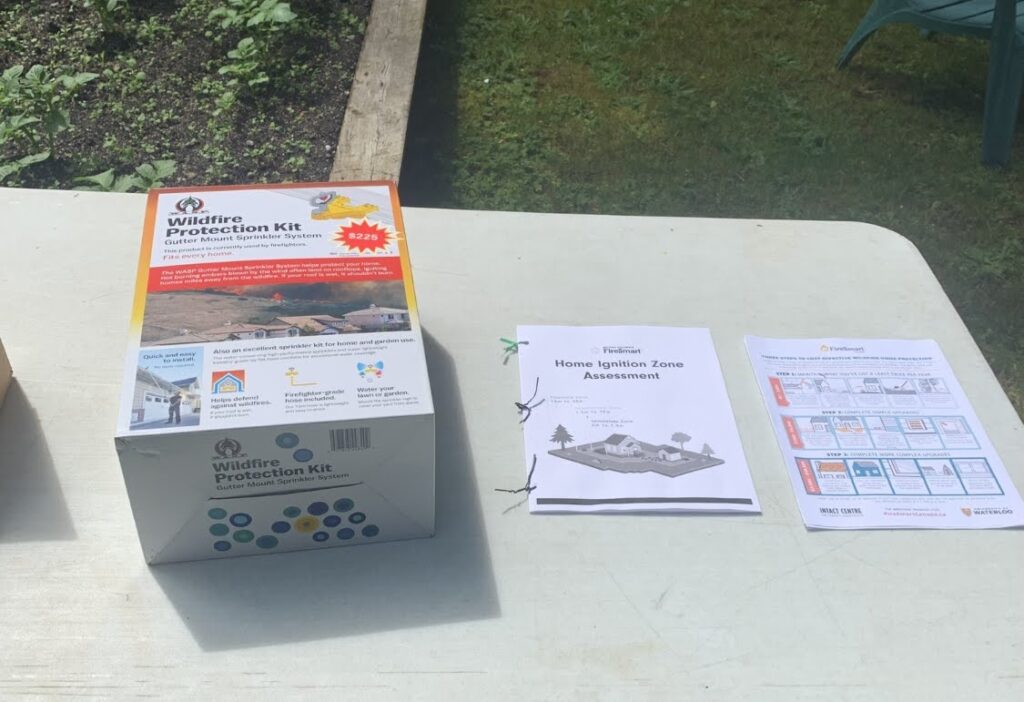
We then partnered with Firesmart and a local landscaper to help offset costs. We agreed to host another event in return to give Neighbours a full Firesmart education -event 2 -to encourage them to Firesmart their properties and learn about the value of the intended work party.
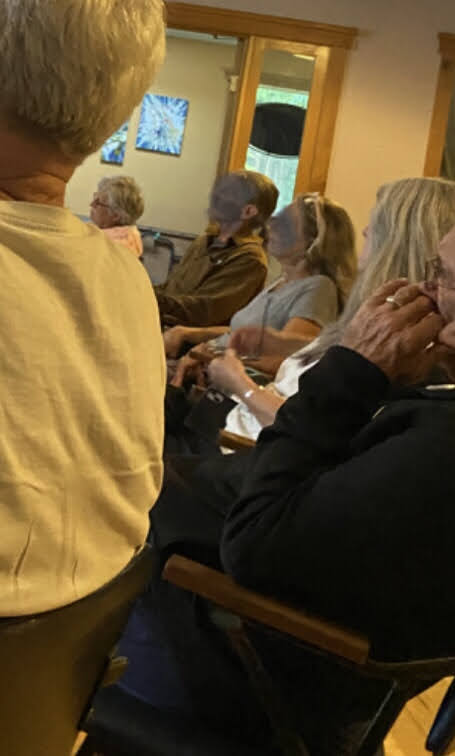
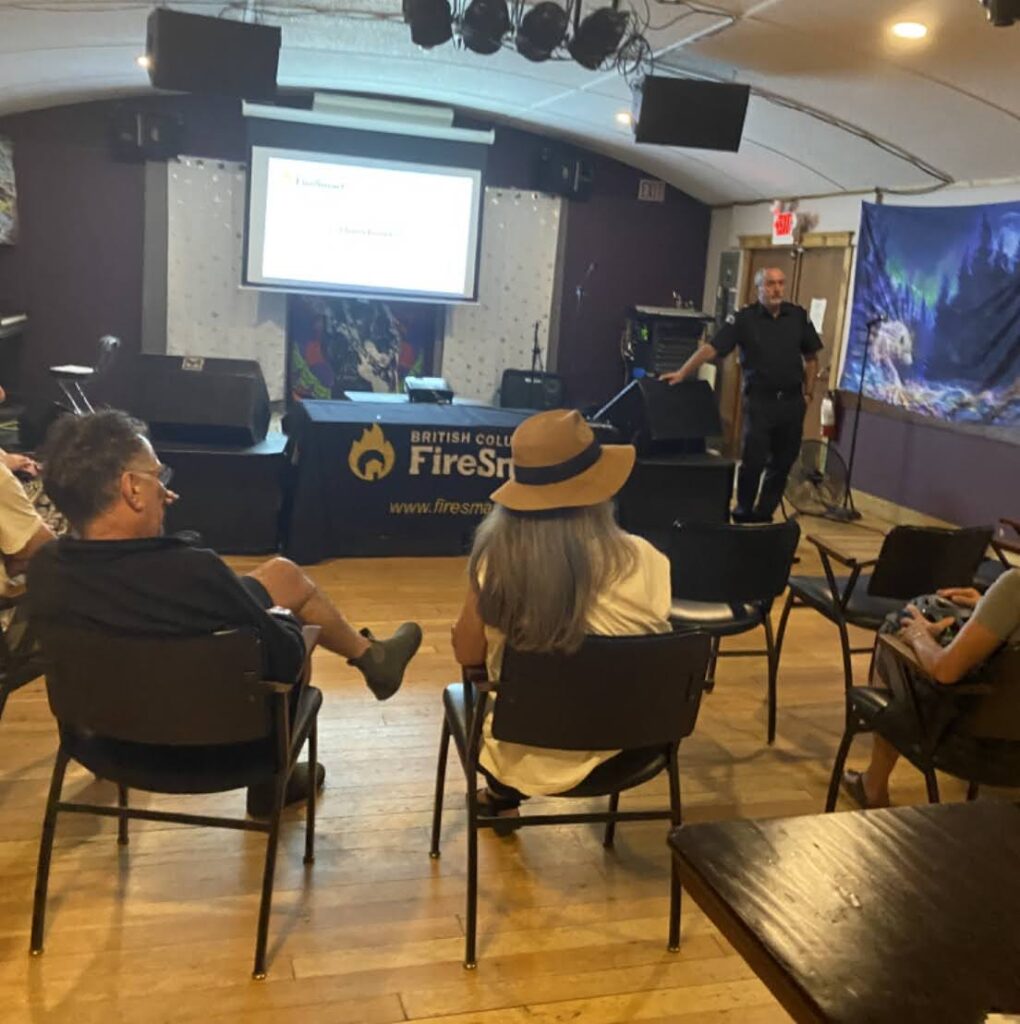
This helped attract a few more neighbours and was a really interesting talk. We booked a hall, firesmart help to promote the event and gave the talk.
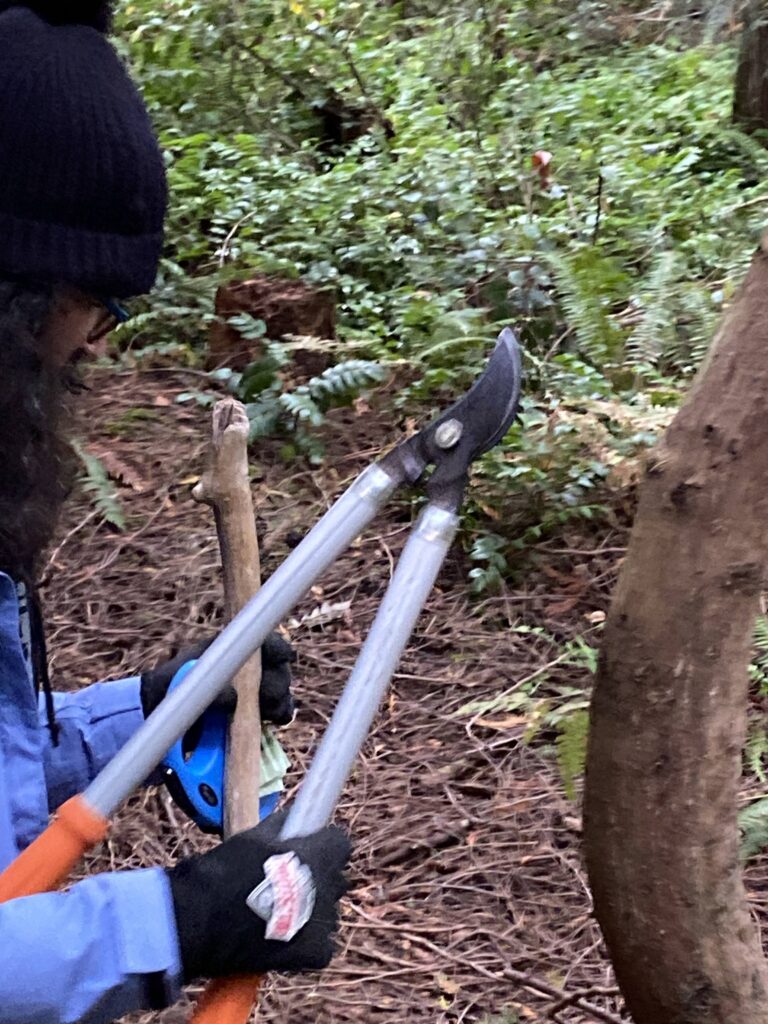
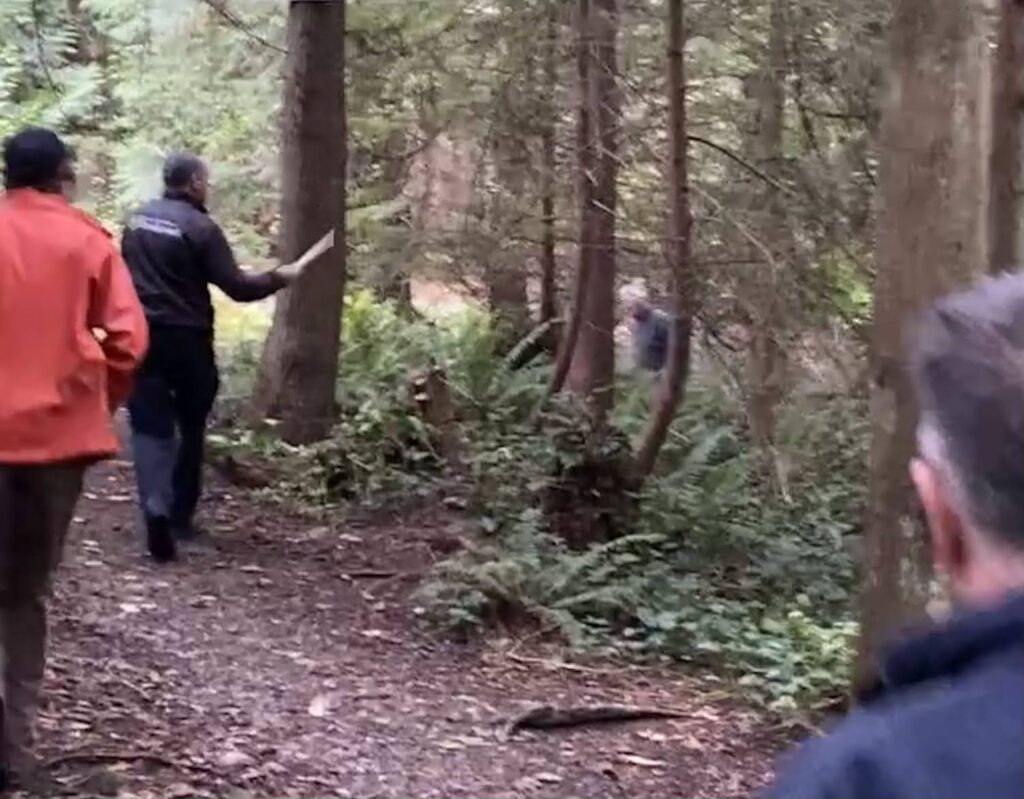
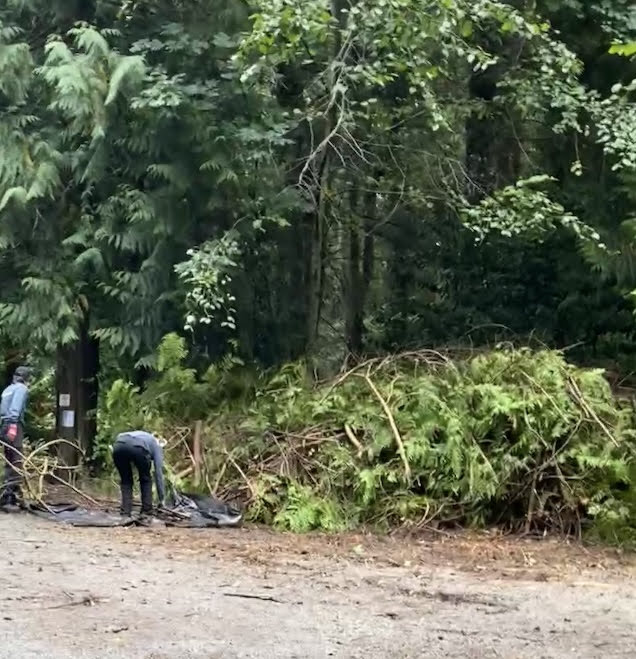
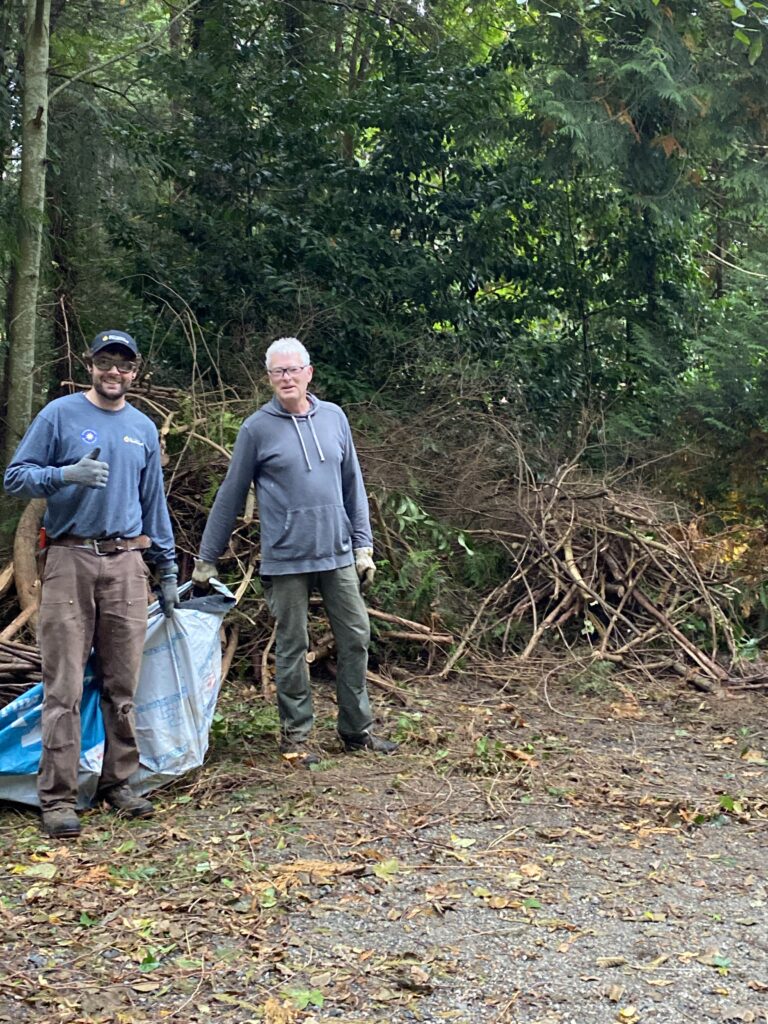
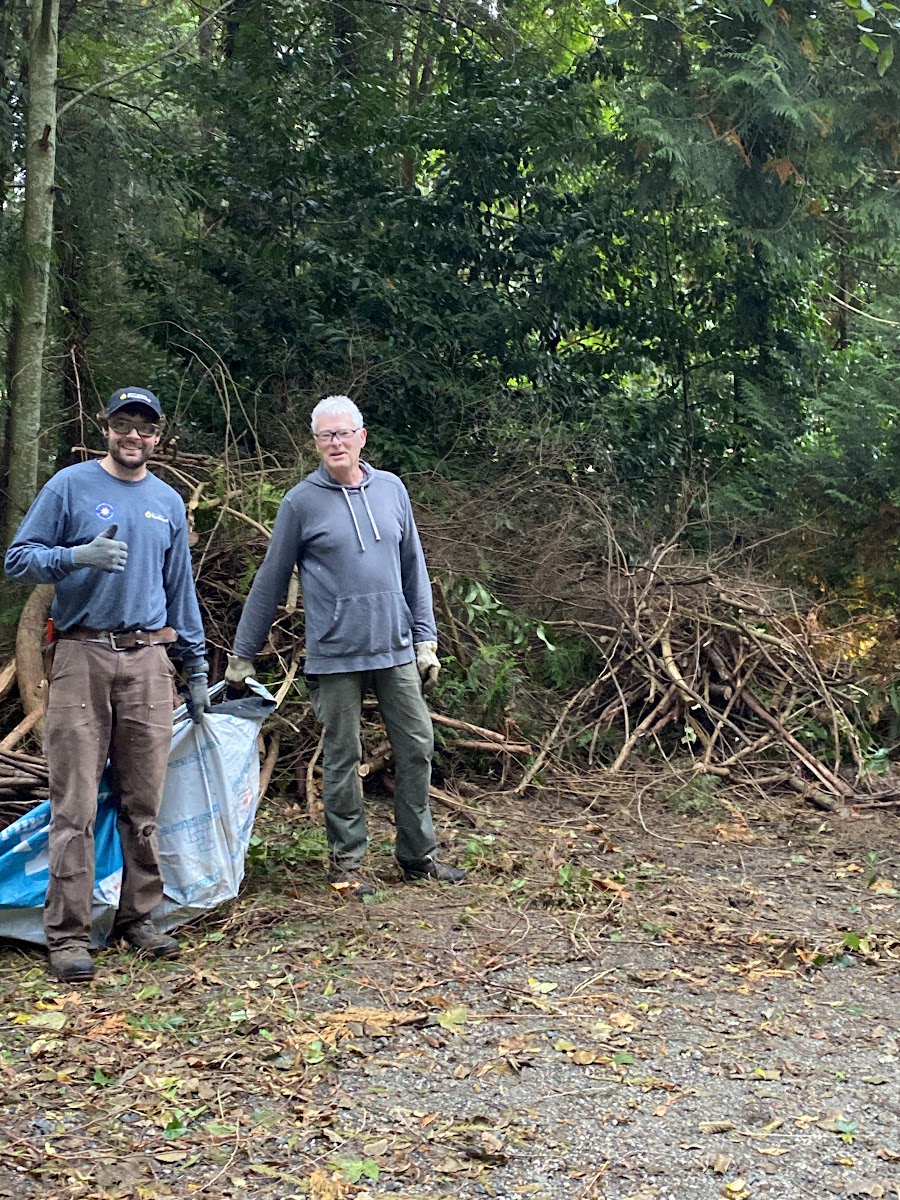
We then finally held the actual work party- event 3! Firesmart had assessed the trail and gave the neighbours a work plan and education on how to “Firesmart” the remaining trees. We all worked together to remove the debris from the trails and stack it on the designated road area for chipping and truck loading.
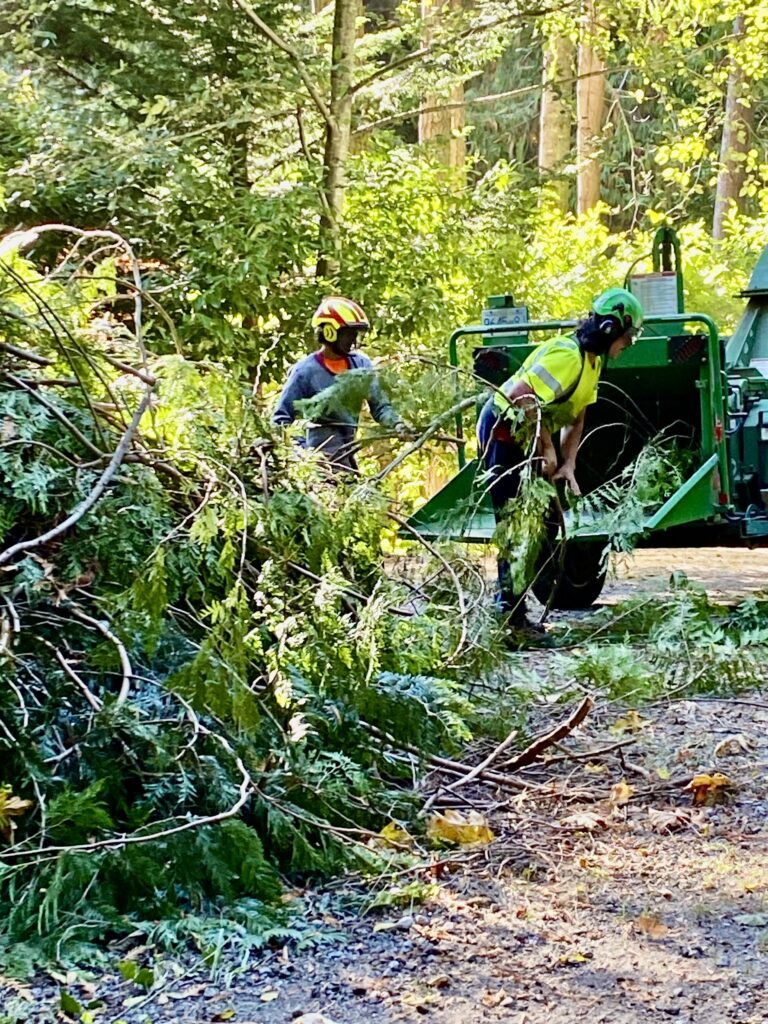
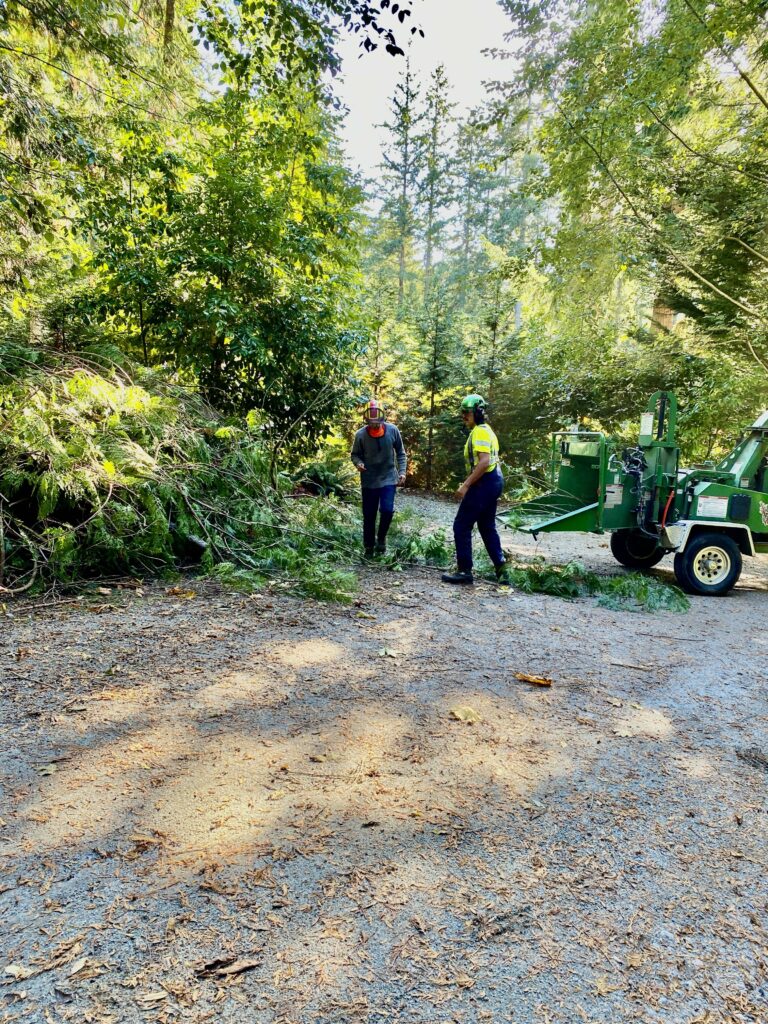
Event 4 – the actual chipping and final debris removal
Overall we learned that connecting neighbours who haven’t been connected before takes a lot of effort. We also learned that finding partners who align with your values is incredibly helpful. We hope we’ve built a foundation that can be built on and expanded to help improve our resilience.
make future activities, education and mutual support a
In our discussions with Firesmart we decided to pivot again.
Party better
Then partnered with Firesmart to host a talk to help draw people in amd education them both on firesmarting their properties amd also the public trail. We kicked a date, booked the local hall and the crew made flyers and dropped them off at all the houses in the area.
The talk was great and got people to sign up for the work party
The firesmart crew helped
In our fimaterials and invite them to the work party.
Our community association has been hosting some events to raise awareness of climate change and the need to further our disaster preparedness. As part of that effort they are encouraging neighbours to meet and form groups to take action and support each other after disasters. Related to that our neighbourhood backs on a trail that has suffered some downed trees due to climate events over the winter leaving
The grant would be to inspire neighbours to come out for a work party and snacks with a local musician
Community Resiliency: From Fragmentation to Action
This initiative was launched in a vulnerable, ferry-dependent rural neighborhood following a series of climate events, including atmospheric rivers and a bomb cyclone, which left our neighbourhood trail full of downed trees and branches. Our primary goal was twofold: to address immediate safety concerns for all this “fire fuel” by clearing downed trees and debris, and to use this shared task as a catalyst for building a sustainable neighborhood disaster preparedness network where neighbors knew and supported one another.
Planning and Pivots
Our initial plan was a simple one: canvas the neighborhood to invite neighbours to a debris removal work party—an event centered on everyone’s self-interest in safety. We quickly realized this was not effective due to the rural nature of the area; large treed properties with few people home or answering their doors.
We executed a major pivot, shifting our strategy from “work first” to “connection first.” We decided to host a social “prep party” with snacks and refreshments, using posters around mailboxes to draw attendance. This change successfully brought neighbors together, allowing us to connect faces to properties and open a dialogue about emergency planning and the debris removal.
A second major challenge emerged during these initial discussions: our planned budget for a debris chipper was wholly inadequate for the volume and size of the debris. The necessary industrial-grade equipment was more than our entire budget, threatening the completion of the project.
Collaboration and Coherence
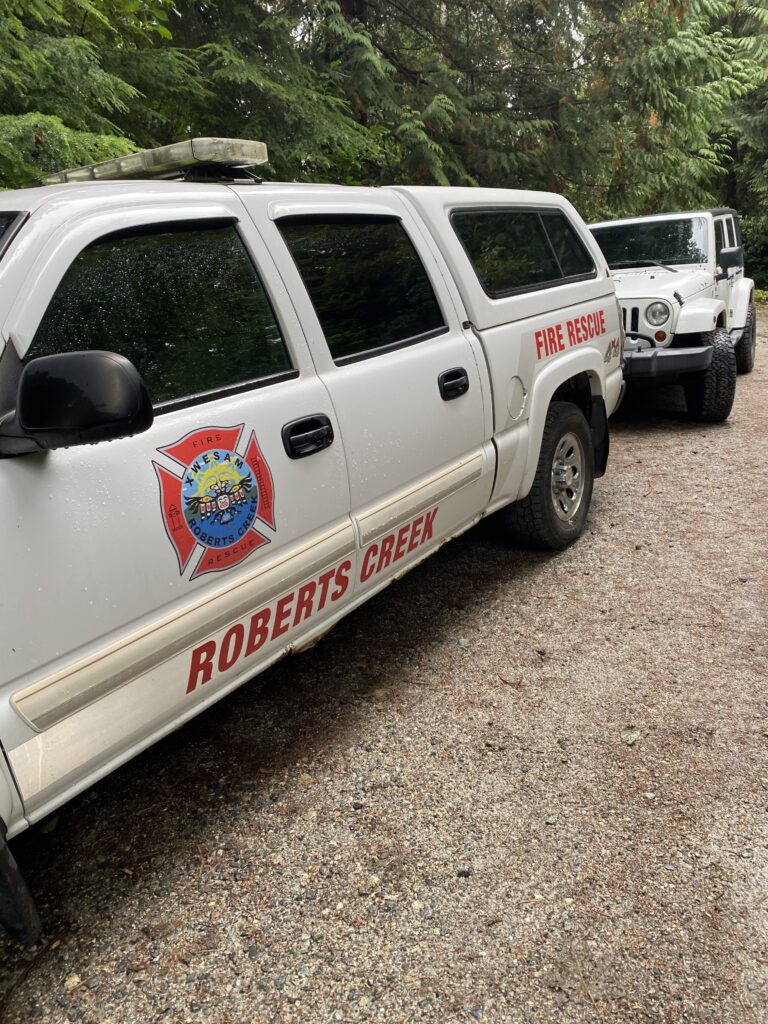
To overcome this financial and logistical hurdle, we sought key partnerships. We partnered with FireSmart, a crucial local organization focused on wildfire mitigation along with assistance from a local arborist which aligned nicely with our preparedness intention.
In exchange for offsetting chipping costs, we agreed to host and co-promote a full FireSmart education event. This aligned our cleanup goal with a critical safety education need in our high-risk area. The specialized, engaging talk successfully attracted more neighbors and provided vital knowledge on how to “FireSmart” their private properties, thereby boosting buy-in for our community work party.
Execution and Lessons Learned
The collaborative effort culminated in a successful, three-part execution:
-
Prep and Education (Events 1&2): The social gathering and the FireSmart education talk successfully formed a foundation of shared purpose.
-
Work Party (Event 3): FireSmart assessed the trails and provided neighbors with a clear, safe work plan for removing debris and stacking it at a designated roadside area. We worked together, strengthening the social fabric while improving our immediate environment.
-
Final Removal (Event 4): The planned chipping and debris removal occurred, finalizing the project.
The greatest lesson learned was that community engagement is built on relationship, not obligation. Our pivot from problem-focused work to social connection and shared education was essential. We learned that the process of connecting with neighbors is just as vital as the final outcome. We successfully preserved our natural assets by making them a shared responsibility, while also forming the beginnings of the disaster preparedness network we originally sought.