Scam Proof
Every day, we hear about new scams and frauds surfacing, and some of our dear friends and neighbours have unfortunately become victims. How do we protect ourselves, and how do we watch out for friends and neighbours in our community? We need to keep this threat at the top of our minds, as the “bad guys” are constantly looking for opportunities. We need to mobilize our community efforts!
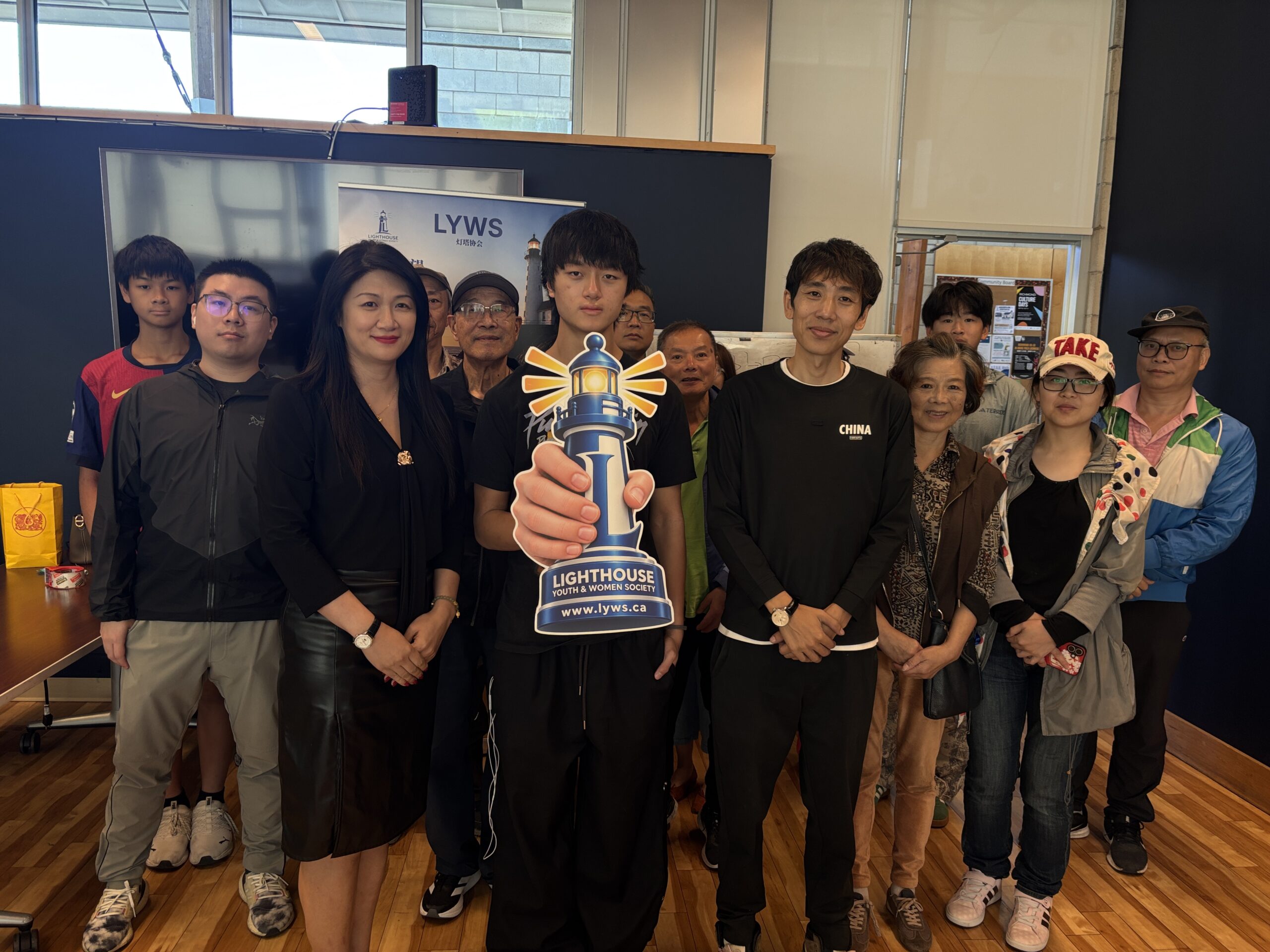
July 3 was a nice Friday in early summer. We started the gathering by talking about Canada Day celebrations, our national pride, and our culture of friendliness, trust, and honesty. But then we all had stories to share—stories about friends who had been scammed because they trusted too easily. More importantly, scams and frauds can be very difficult to spot because they are often well-designed schemes, driven by the prospect of easy money and designed to prey on our trusting and good nature through social engineering.
One community member told his story of a scam involving his bank account, but luckily, the bank reimbursed his loss. Another member was not so lucky. He and a group of five people each lost several thousand dollars, believing that they were helping a fellow member cover the cost of a medical procedure overseas. They acted out of sympathy. The storytelling continued for a while as we had tea and coffee, and our conversation also touched on fake news and disinformation.
How can we better prepare ourselves? Using seminar materials from CPA Canada’s Financial Literacy Program on fraud protection, a CPA Financial Literacy volunteer talked about the components of fraud, how to identify fraud and identity theft, and ways to safeguard our personal information. We then discussed different types of scams and how to remain vigilant.
There are many ways in which we can become vulnerable, and each deserves our attention. We discussed protecting our investments, being aware of technology-related risks, and recognizing how loneliness and being alone at home can increase vulnerability. We should also remain vigilant at home, even in our relationships with people closest to us, including trusted family members and caregivers. Examples of particularly vulnerable situations were shared.
The main takeaways were simple but important: do not believe everything you read; if something seems too good to be true, it probably is; share your personal information only with people and organizations you trust; and always maintain a healthy sense of skepticism.
The presentation, delivered in both English and Chinese, was very well received and generated many questions and much interest. One important message was the value of helping one another in our community. After the presentation, we mingled with friends and neighbours and enjoyed the food together. Everyone had a good time socializing and engaging with one another while, at the same time, learning important information about how to protect ourselves and those around us.