Learning Through Play and Connection
The Happy Healthy Oceans Club has been running smoothly, and one of the most valuable things I have learned along the way is how important it is to give children space for free play, creativity, and simply having fun together. While the club is rooted in ocean education and conservation, I have found that learning happens most naturally when children are engaged, curious, and enjoying themselves.
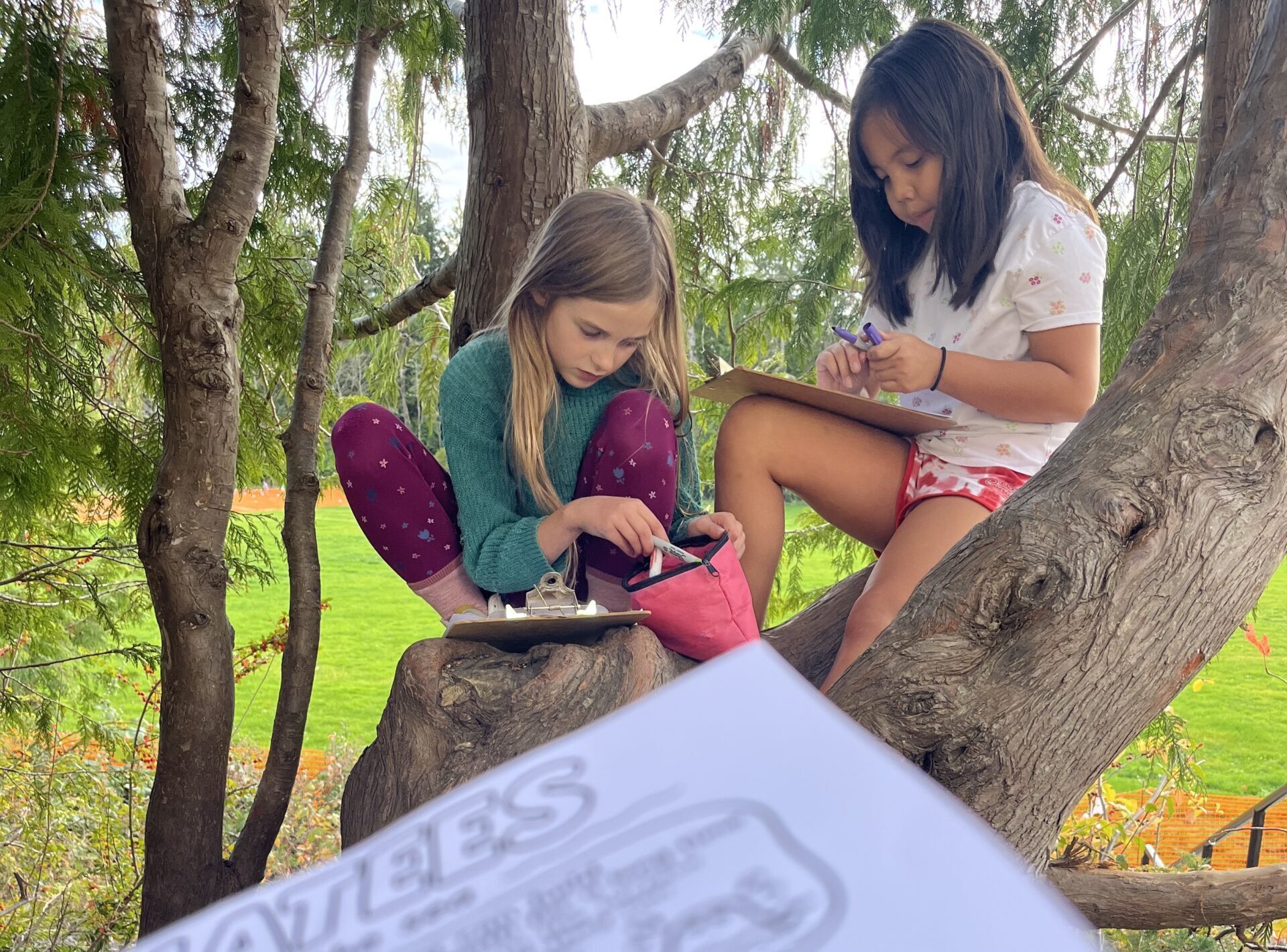
I have adapted our sessions to include a balance of structured activities and child-led play. We play ocean-themed games, including variations of tag inspired by marine animals and their behaviours, and use colouring pages featuring fun facts about marine mammals and other ocean creatures. These activities allow children to move, express their creativity, and learn without feeling like they are in a classroom.
Behind the fun, there is always an underlying learning component. Through games, conversations, stories, and creative activities, we explore animals, their habitats, their behaviours, and the importance of protecting the ocean and the ecosystems we are connected to.
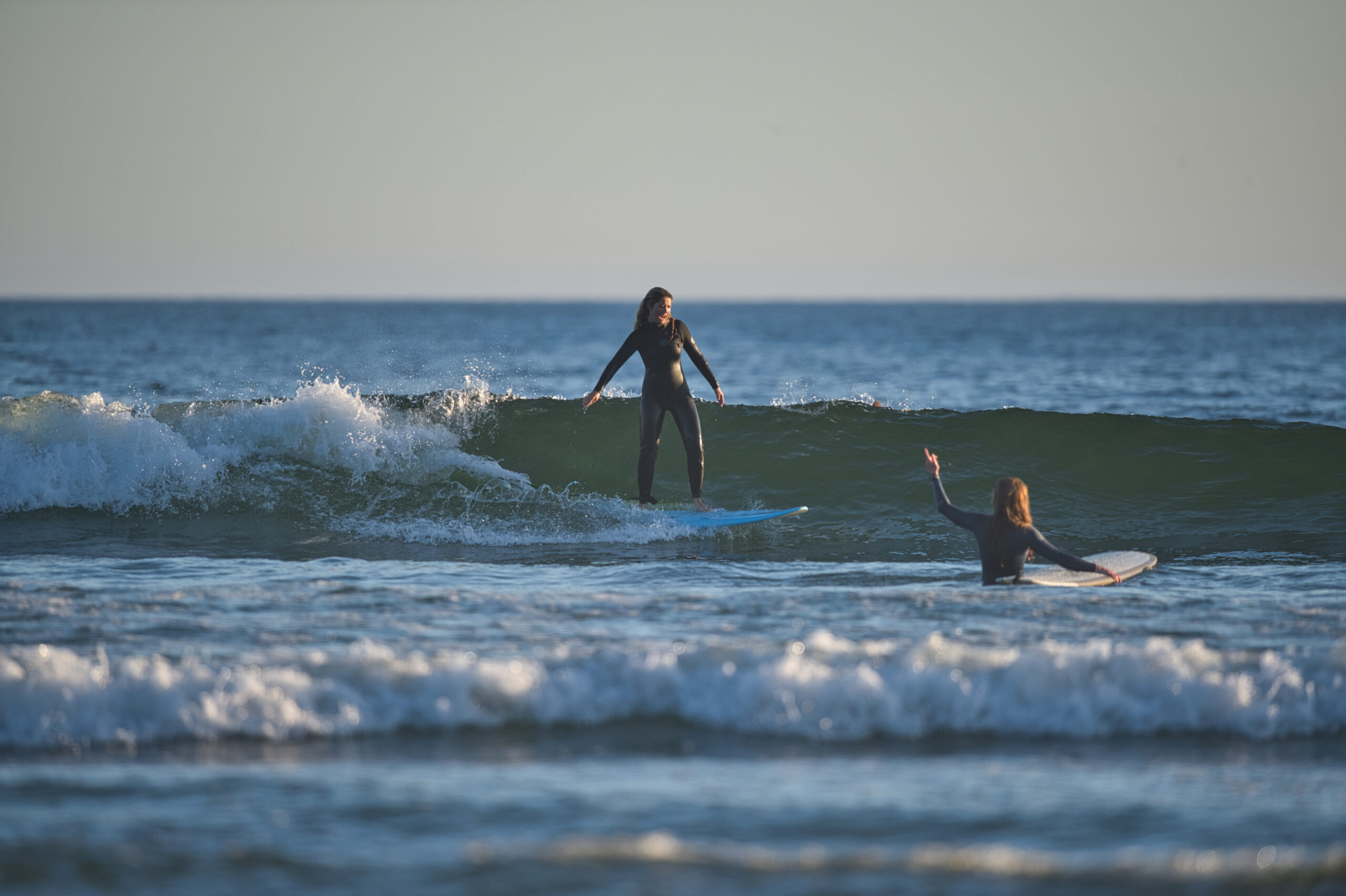
We are also connecting our learning to the local environment through a field trip and beach clean-up, giving children an opportunity to experience the coastline firsthand and take an active role in caring for it. We have explored local Nuu-chah-nulth place names and their connections to the land and water, as well as learning about marine charts to better understand our local coastal geography.
The project has taught me the importance of being flexible and adapting to the group’s energy and needs. Some days the children are excited to learn something new, while other days they simply need space to play, connect with each other, and enjoy being together. Recognizing this has helped me create a more welcoming and engaging environment where learning happens organically.
My goal is to nurture a genuine connection between children and the ocean from an early age. I hope that through these small, joyful experiences, they develop curiosity, appreciation, and a sense of responsibility for the natural world around them. Sometimes ocean conservation begins with something as simple as a game, a question, learning the name of a place, or picking up litter on the beach.