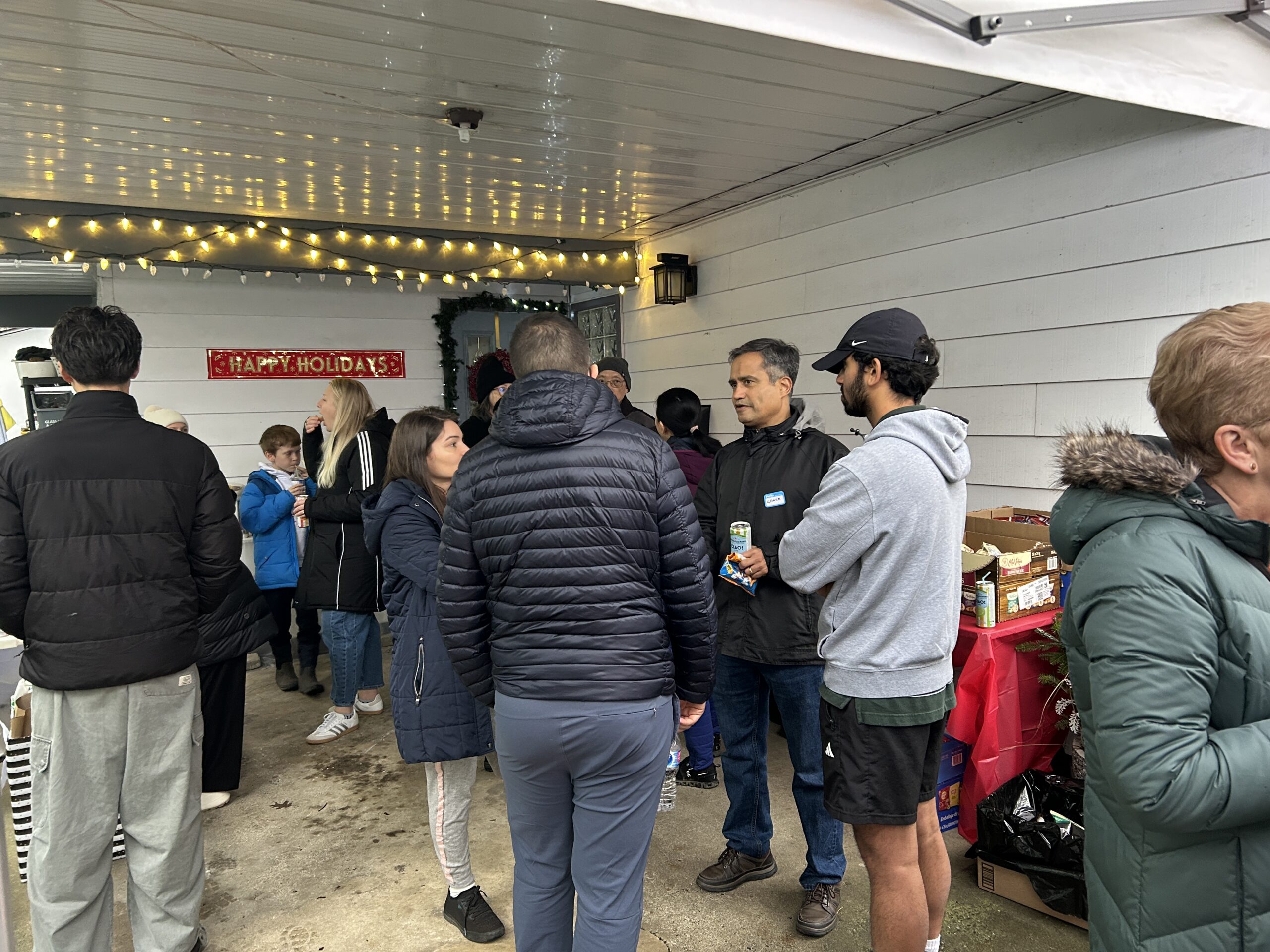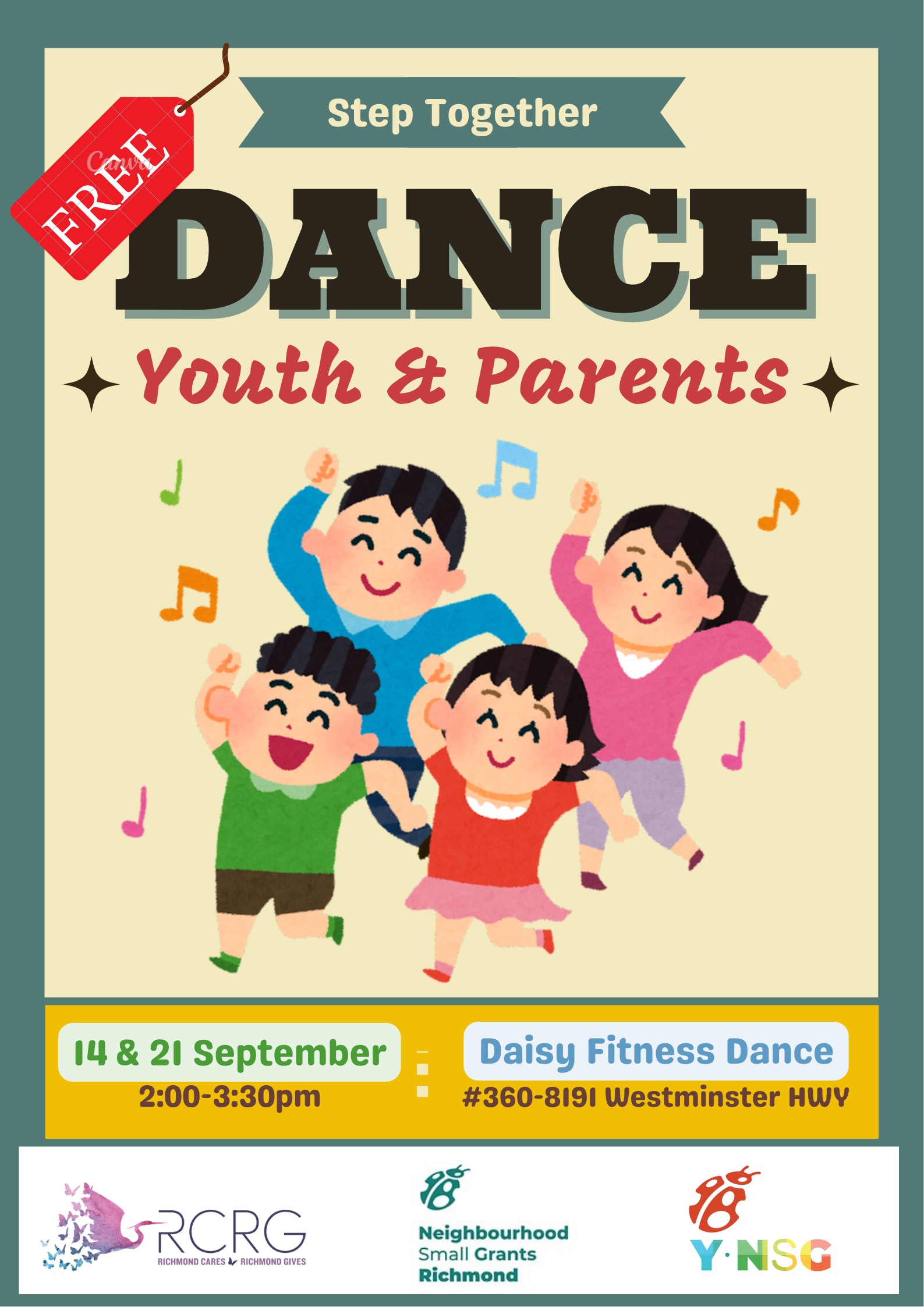
Many families struggle to find meaningful ways to connect across generations. With that in mind, I launched a community dance program designed to bring youth, parents, and extended family members together in a fun, supportive, and inclusive environment. The goal was not only to promote physical activity but also to strengthen communication, build trust, and create shared memories.
From the start, the vision was to encourage youth leadership by giving them opportunities to guide warm-ups, lead group activities, and speak in front of others. This helped them gain confidence and inspired them to take greater roles within the community. Meanwhile, parents (especially mothers) appreciated the chance to bond with their children in a relaxed, joyful setting. The program was also open to grandparents, aunts, uncles, and neighbours, which helped bridge generational gaps and foster mutual respect.
However, the journey was not without challenges. After receiving approval, I realized that many families had already planned summer vacations, so we had to reschedule the program from July to September. Securing space at the community center was also a struggle, as most weekends were already booked for other programs. To make matters more difficult, the cost of insurance turned out to be unexpectedly high.
Despite these hurdles, solutions emerged. I took on additional responsibilities myself and was fortunate to receive help from a supportive parent. Two ladies (thanks, Amy and Emily!) consistently arrived early to help set up decorations and stayed afterward to assist with cleanup. They also volunteered to take photos during the sessions, capturing meaningful moments. A local pediatric clinic generously donated lotions and creams for participants, adding a thoughtful touch that made everyone feel welcome.
Although I initially envisioned the program for whole families, the majority of participants turned out to be mothers and daughters. This led me to reflect on the influence of cultural stereotypes around dance. Perhaps a different program title or approach could have encouraged more fathers and sons to join. Promotion was another challenge; reaching and motivating the public to participate was harder than expected. Still, word-of-mouth helped; participants enjoyed the sessions so much that they invited their friends after the first session, and many expressed interest in attending future events.
In the end, it was more than just a dance class. Youth learned the fundamentals of leadership, including communication, teamwork, and confidence. I noticed they were more engaged and comfortable participating alongside their mothers, rather than being dropped into a new environment with unfamiliar instructors. Interestingly, some guardians who believed their children were too shy saw them blossom through the supportive and inclusive nature of the sessions.
This experience showed me that community building takes effort, flexibility, and heart, but the rewards are lasting.