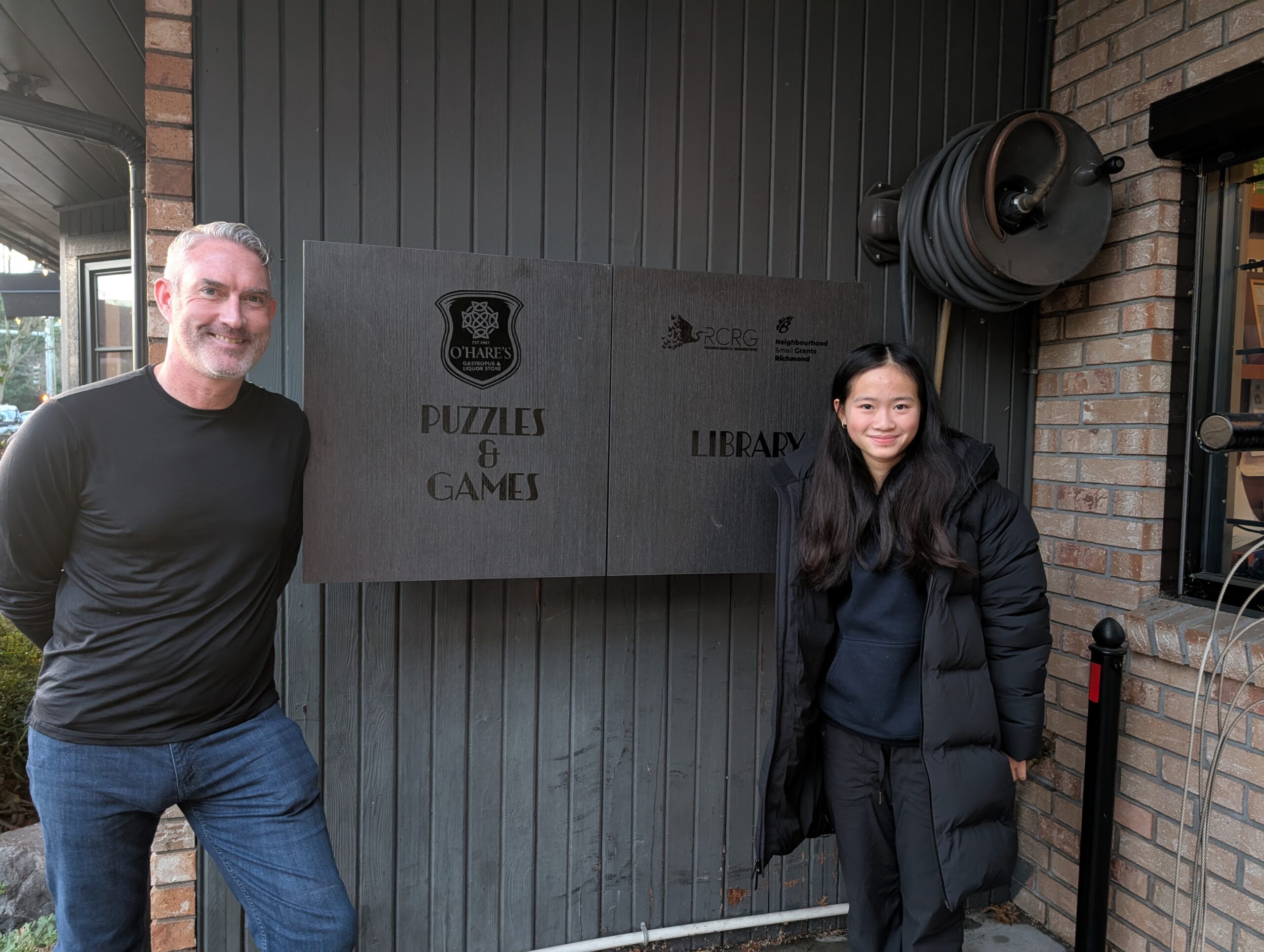
I organized a series of three art-making workshops while installed as the resident artist at Branscombe House in Steveston, co-funded by the residency and NSG. The idea was to demonstrate sustainable, low-toxic, land-based art-marking processes as a way to explore the Fraser Estuary. These workshops were based around Garry Point Park and explored the history and ecology of that site. I partnered with Lisa and Paolo from EPFC North for the first two workshops to show participants how to use old cameras to make analogue film and then develop it with local plants.
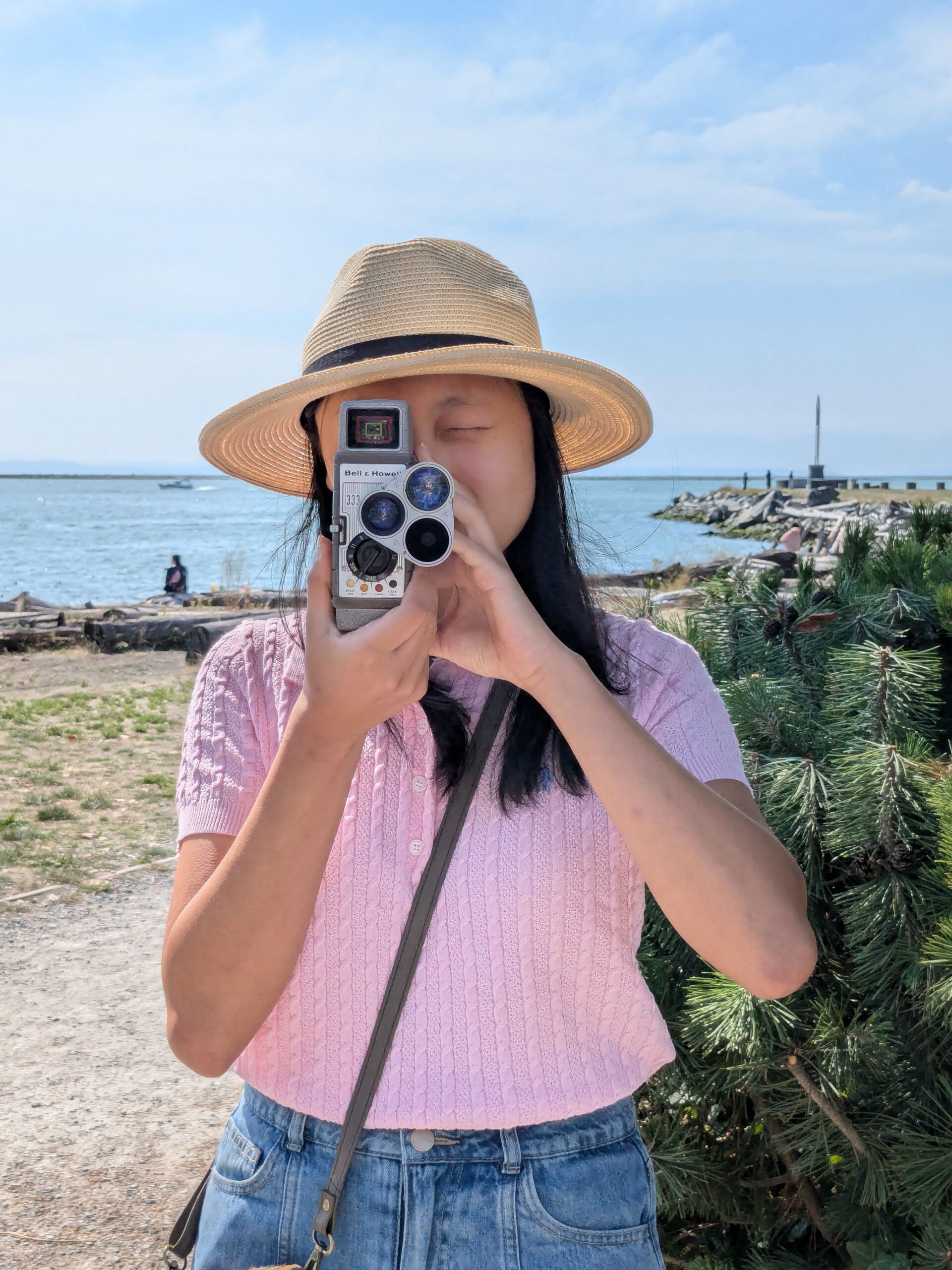
In the first workshop, we met at Garry Point and learned about the history of film from Lisa and Paolo. We looked at old analogue cameras, going all the way back to early film use. We talked about the ecological importance of the estuary as a habitat for migratory birds and juvenile salmon; as a historical village site for the Musqueam, who fished on the Fraser; and the ways we have altered the land by dredging the water, building jetties and dykes, and developing a large fishing and farming industry. Then we walked around the park and neighbouring cannery filming, taking photos, recording the sounds of local creatures, and collecting plants to use as a developer.
At the second workshop on the following day at Branscombe House, Paolo and Lisa taught us about plant-based developer and how to use ingredients from the average kitchen to make non-toxic chemistry. Then we developed our film using a couple of different brews, including plants from Garry Point and water from the Fraser. At the end of the workshop, we loaded the film into a projector and watched the results of our creations.
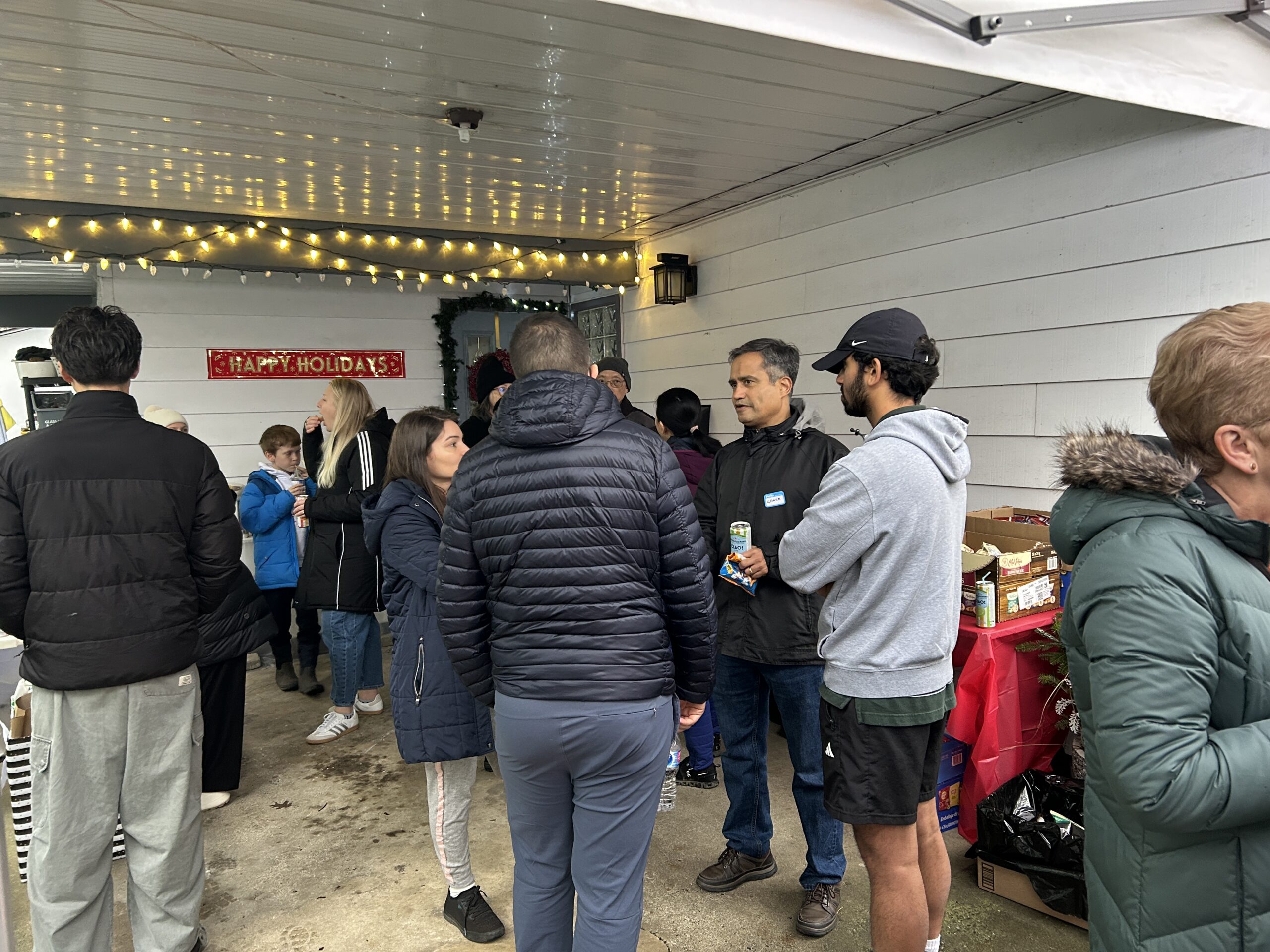
In the final workshop held the following weekend, I showed participants how to make sun prints (cyanotypes, lumen prints, and phytograms) using low-toxic chemistry, expired darkroom paper, and the natural chemistry of plants. We used plants from Garry Point, and we talked about the power of plants to alter the colour of the prints and make beautiful images from their natural chemistry. By the end of the session, the room smelled delicious from the various plant brews!
We had the opportunity to get to know the Fraser Estuary through a variety of sensory experiences, giving us a different perspective on the land that many of us call home. We made new friends and shared stories about our relationship to the land and our homes of origin. And we made art that is site-specific, eco-friendly, and that participants will be able to reproduce at home on their own.
While the workshops went very well, some challenges we had to navigate included inclement weather, which is tricky when these processes rely on the sun for exposure. I had also hoped to collaborate with an artist from Musqueam to share about working with local materials on her ancestral homelands, but unfortunately, schedules didn’t align. Instead, I made sure to foreground Indigenous stewardship in our conversations around locally-based sustainable art-making.