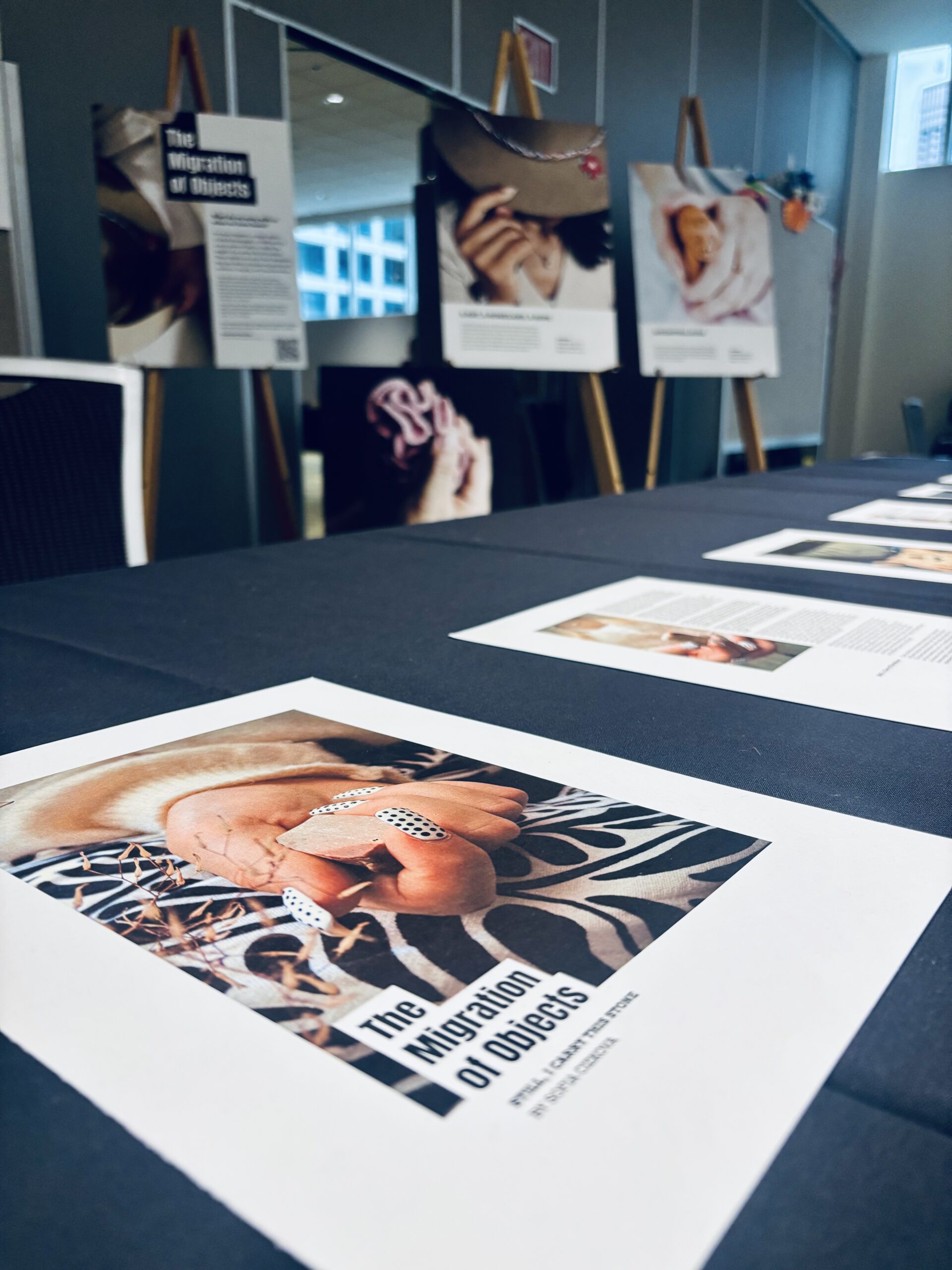
The Migration of Objects: Reflections from Our First Workshop
Thanks to the support of the NSG grant, last summer we were able to host the very first workshop of The Migration of Objects, marking an important milestone for a project that began shortly after I arrived in Vancouver over a year ago.
The idea behind The Migration of Objects is simple but deeply personal: our objects carry stories of migration, memory, identity, belonging, and transformation. With the support of the grant, I was able to transform this concept into a shared, community-based experience. The funding was used to cover basic materials, provide facilitation support, and ensure the workshop was accessible and free for participants an element that is essential to the spirit of the project.
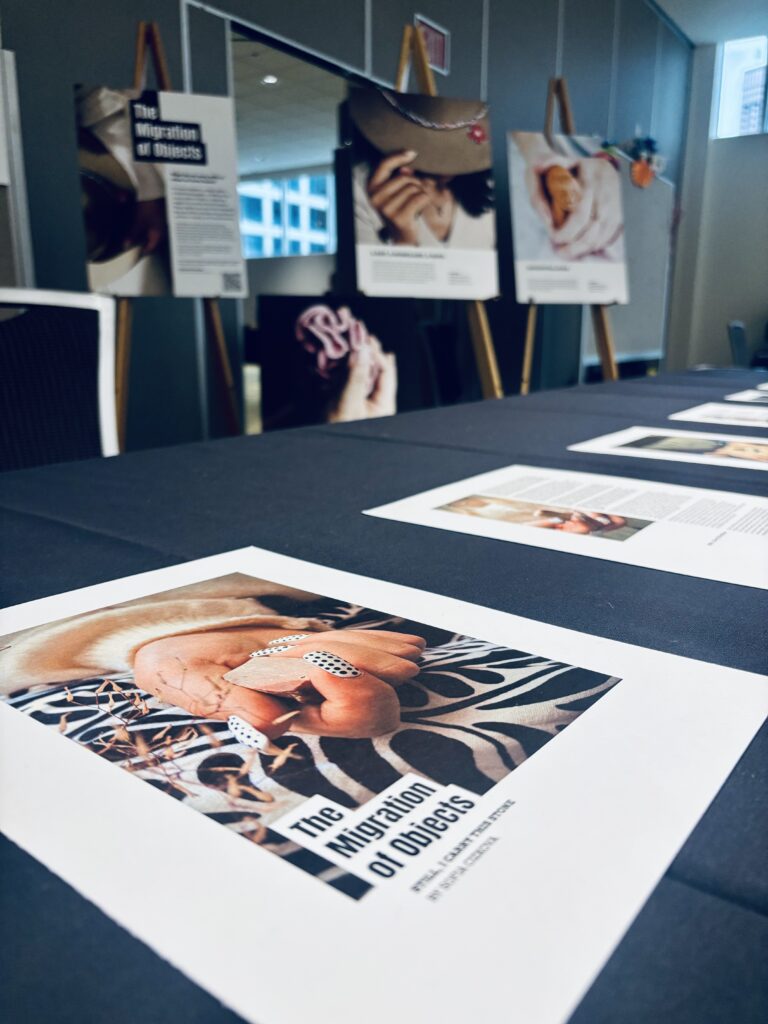
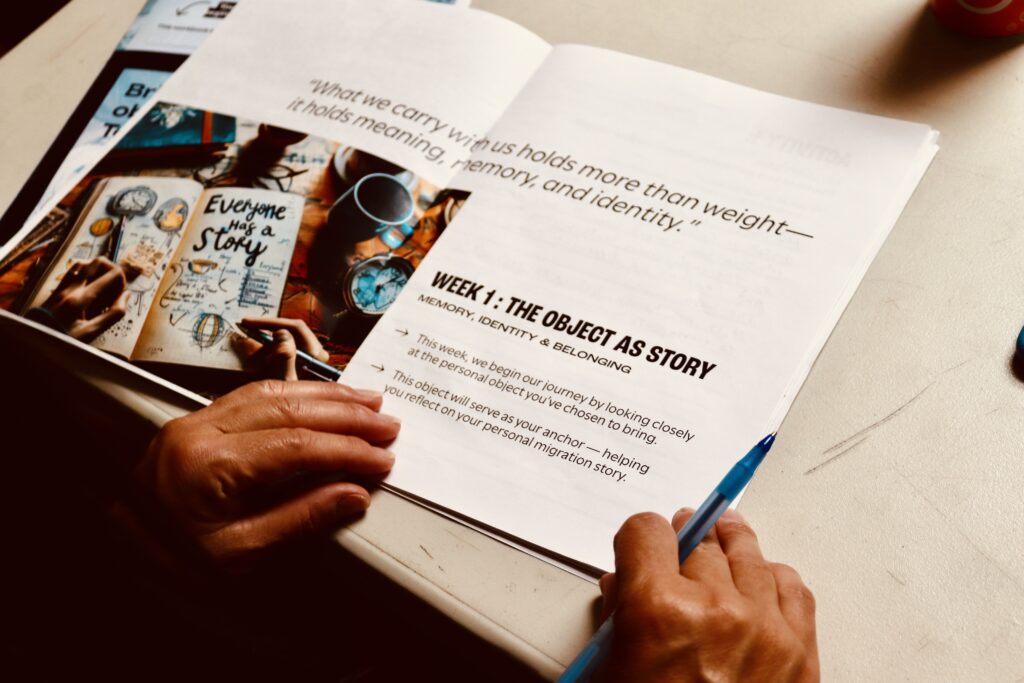
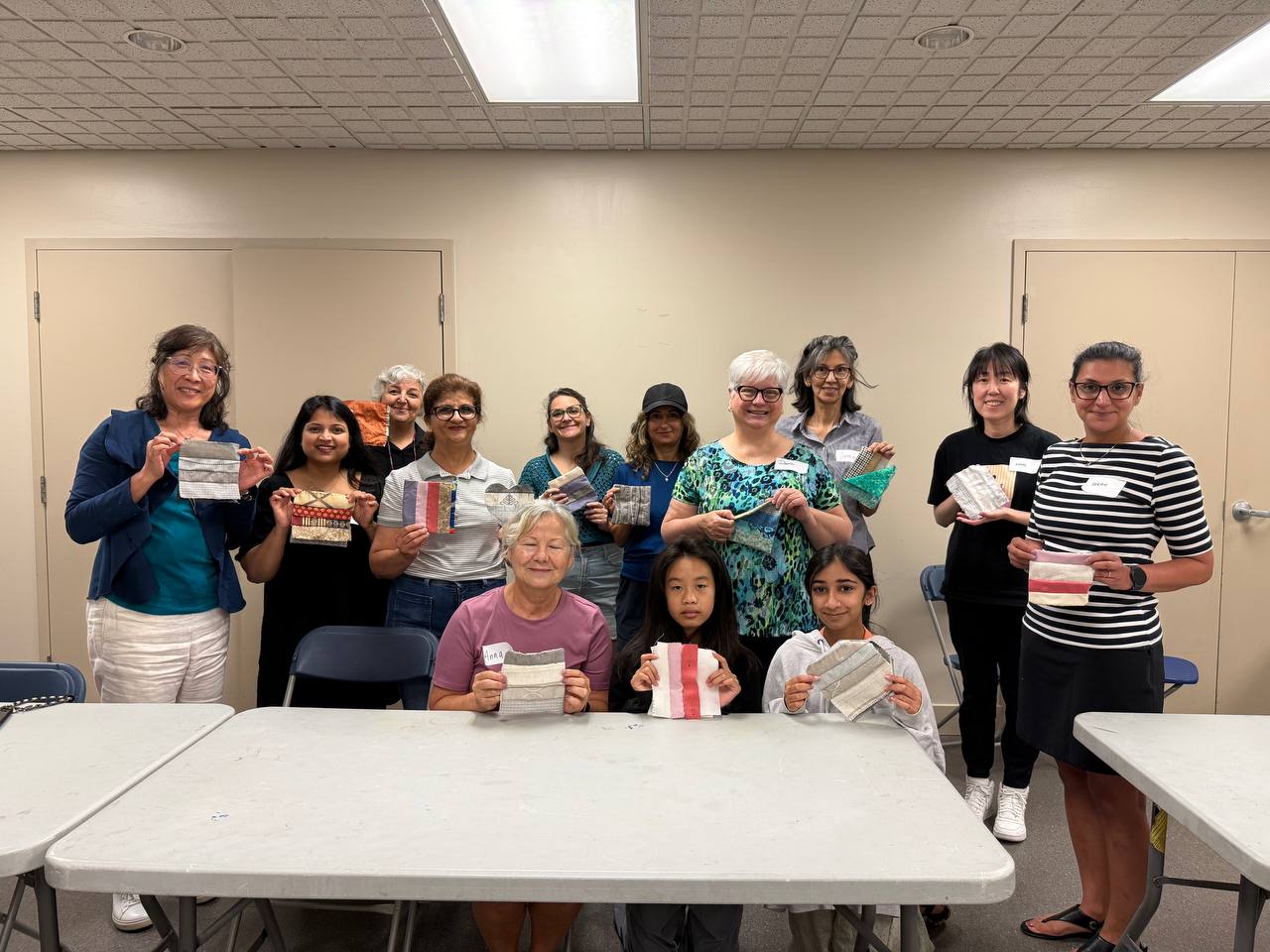
The workshop brought together immigrant and newcomer women from diverse backgrounds. Over several sessions, participants were invited to bring an object that had migrated with them or one that symbolised home, transition, or identity. Through guided creative narrative exercises, group dialogue, and photography, we explored how these objects hold emotional weight, cultural memory, and untold stories. The process was intentionally slow, gentle, and inclusive, allowing trust to build organically within the group.
One of the main challenges was creating a space where participants felt safe enough to share vulnerable stories, often connected to loss, displacement, or transformation. This required flexibility, active listening, and responsiveness rather than rigid planning. I learned quickly that the role of facilitator was less about directing and more about holding space, allowing participants to shape the pace and depth of the conversations themselves.
Photography played a key role in the workshop, not as a technical exercise, but as a storytelling tool. Participants were photographed with their objects in ways that honored their narratives and agency. For many, this was the first time their migration story was witnessed, documented, and valued as art.
What I learned most from this experience is that community-based storytelling is powerful precisely because it is collective. While the project began as a personal exploration, the workshop revealed how deeply shared these experiences are. The grant did more than fund a workshop, it enabled connection, validation, and laid the foundation for future iterations of The Migration of Objects. This first gathering confirmed that the project belongs not only to me, but to the community it serves.